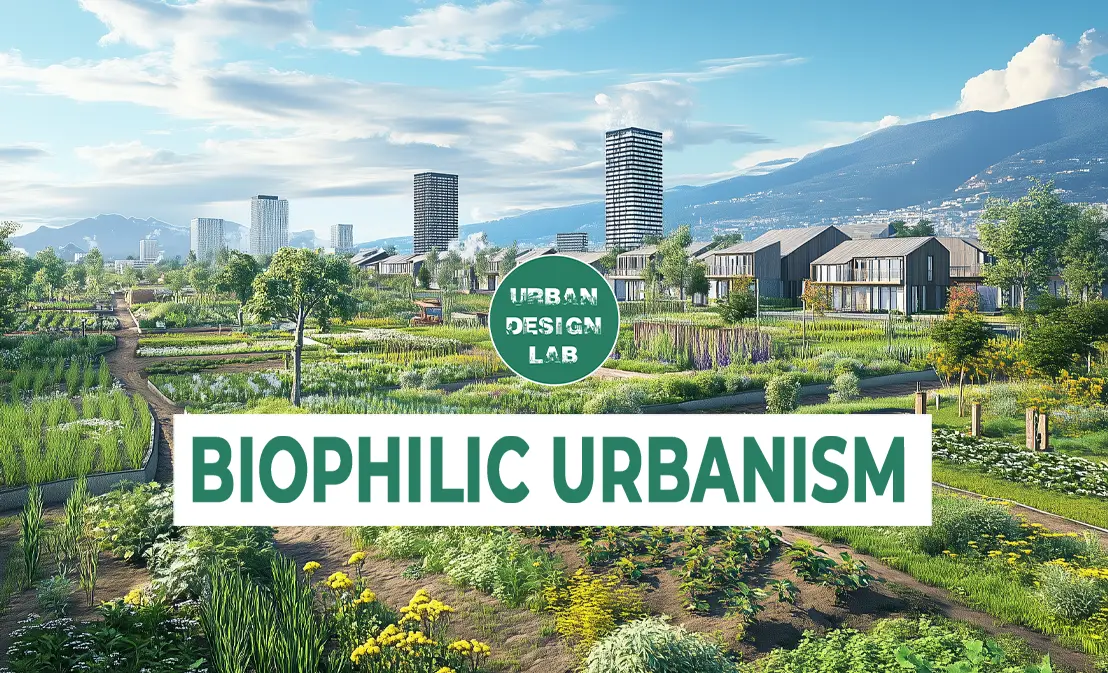
Urban nature is no longer simply trees planted along sidewalks or parks tucked between buildings. It is becoming something more complex: technonature. This term describes the growing fusion of ecological systems with digital networks, sensors, artificial intelligence, robotics, biotechnology, and data-driven design. In the modern city, nature is not only preserved or restored; it is monitored, modeled, managed, and sometimes even generated through technology. The result is a hybrid landscape where roots and algorithms, leaves and light sensors, wetlands and weather data, pollinators and drones all interact.
This shift matters because most people now live in urban areas. Cities are hotter, denser, and more polluted than many rural regions, yet they are also centers of innovation. As climate change intensifies, biodiversity declines, and public health pressures grow, cities cannot rely on traditional green space alone. They need intelligent, adaptive, and regenerative forms of nature. That is why urban nature becomes technonature: not because technology should replace nature, but because technology can help nature survive, function, and flourish in the city.
What Technonature Really Means
Technonature is not a single invention. It is a way of thinking about cities as living machines and ecosystems as intelligent infrastructure. A technonature approach asks how a tree can communicate its water needs, how a park can cool a neighborhood, how a rooftop garden can reduce energy use, and how a river can be restored while also serving as a data source for flood prediction. It combines ecology with engineering, biology with computation, and public space with real-time information.
In practice, technonature can look like a vertical forest with moisture sensors, a smart wetland that treats wastewater, a pollinator corridor tracked by citizen science apps, or an urban farm managed by AI. It can also be invisible: algorithms that optimize irrigation, digital twins that simulate tree growth, or blockchain systems that verify carbon credits from urban forests. The point is not to make nature artificial. The point is to make urban nature more resilient, measurable, and responsive.
Why Urban Nature Is Becoming Technonature
Several forces are pushing cities in this direction.
A. Climate urgency is forcing cities to adapt. Heat waves, floods, droughts, and storms demand green infrastructure that can respond quickly and intelligently.
B. Digital infrastructure is everywhere. Cheap sensors, 5G, cloud computing, and open data make it possible to monitor ecosystems in real time.
C. Biodiversity loss is accelerating. Cities can become refuges for species, but only if habitats are connected and managed with precision.
D. Public health needs are rising. Access to nature improves mental health, reduces stress, and encourages physical activity, but unequal access remains a serious problem.
E. Land scarcity is intense. In dense cities, every square meter must serve multiple purposes, from cooling to food production to stormwater management.
F. Citizen expectations are changing. Residents want cleaner air, safer streets, local food, and meaningful participation in shaping their neighborhoods.
Together, these forces make technonature not a luxury but a practical response to urban complexity.
From Garden Cities to Smart Ecosystems
The idea of integrating nature into cities is old. Garden city movements, green belts, and park systems sought to bring countryside into urban life. Later, ecological urbanism and green infrastructure emphasized natural processes such as infiltration, evapotranspiration, and habitat connectivity. Smart cities added sensors, dashboards, and automation. Technonature is the next stage: the merging of ecological urbanism with smart technology.
This does not mean earlier approaches failed. It means they now have new tools. A green roof is still a green roof, but with moisture sensors and weather forecasts, it can become a water-saving, biodiversity-supporting, energy-reducing system. A street tree is still a street tree, but with soil sensors and health monitoring, it can be managed as part of a citywide forest network. The old goals remain: shade, beauty, habitat, and clean air. The new methods make those goals more achievable under pressure.
Core Components of Technonature
Technonature is built from several overlapping technologies and ecological strategies.
A. Sensor networks collect data on soil moisture, temperature, air quality, noise, and plant health. These sensors can be buried in parks, attached to trees, or floated in waterways.
B. Artificial intelligence analyzes patterns and predicts problems. AI can forecast drought stress, detect disease, optimize irrigation, and identify which species will thrive in a changing climate.
C. The Internet of Things connects devices so that trees, gardens, and water systems can communicate. A smart irrigation system can respond to rain forecasts, while a smart streetlight can dim when no one is present.
D. Digital twins create virtual replicas of parks, watersheds, or entire neighborhoods. Planners can test how a new wetland will affect flooding before construction begins.
E. Robotics and drones support planting, pruning, monitoring, and pollination in difficult locations. They can also map invasive species and deliver targeted treatments.
F. Biotechnology offers ways to clean soil, treat water, and enhance plant resilience. Bioremediation uses microbes and plants to remove pollutants, while gene editing may help some species survive extreme conditions.
G. Renewable energy powers the system. Solar canopies, kinetic tiles, and micro-wind turbines can support sensors, lights, and water pumps without increasing emissions.
These components do not work in isolation. Their power comes from integration. A sensor detects low soil moisture, AI predicts heat stress, IoT triggers irrigation, and a digital twin records the outcome. The city learns.
Real and Emerging Examples
Cities around the world are already experimenting with technonature.
A. Singapore has become a global leader with its “City in a Garden” vision. It uses smart water management, vertical greenery, and biodiversity monitoring to cool buildings and restore ecosystems.
B. Amsterdam uses smart grids, electric mobility, and circular economy principles to connect urban life with environmental data. Its smart city projects often include citizen sensing and open data.
C. Seoul has invested in smart parks, air quality monitoring, and digital citizen platforms. It also uses technology to manage streams and restore urban waterways.
D. Milan’s Bosco Verticale, or Vertical Forest, combines high-density housing with thousands of plants and trees. Sensors help maintain irrigation and plant health.
E. Toronto has explored smart neighborhoods that integrate green roofs, renewable energy, and data-driven services. These projects aim to reduce emissions while improving livability.
F. Curitiba has a long history of bus rapid transit and green space. New digital tools can help it monitor parks, improve waste collection, and protect watersheds.
G. Barcelona uses smart technology to manage irrigation, lighting, and public space. Its superblocks reduce cars and create room for people, plants, and pollinators.
These examples show that technonature is not one model. It adapts to local climate, culture, and governance. The best projects combine high technology with deep ecological knowledge and community involvement.
Benefits of Technonature
The advantages of technonature are wide-ranging.
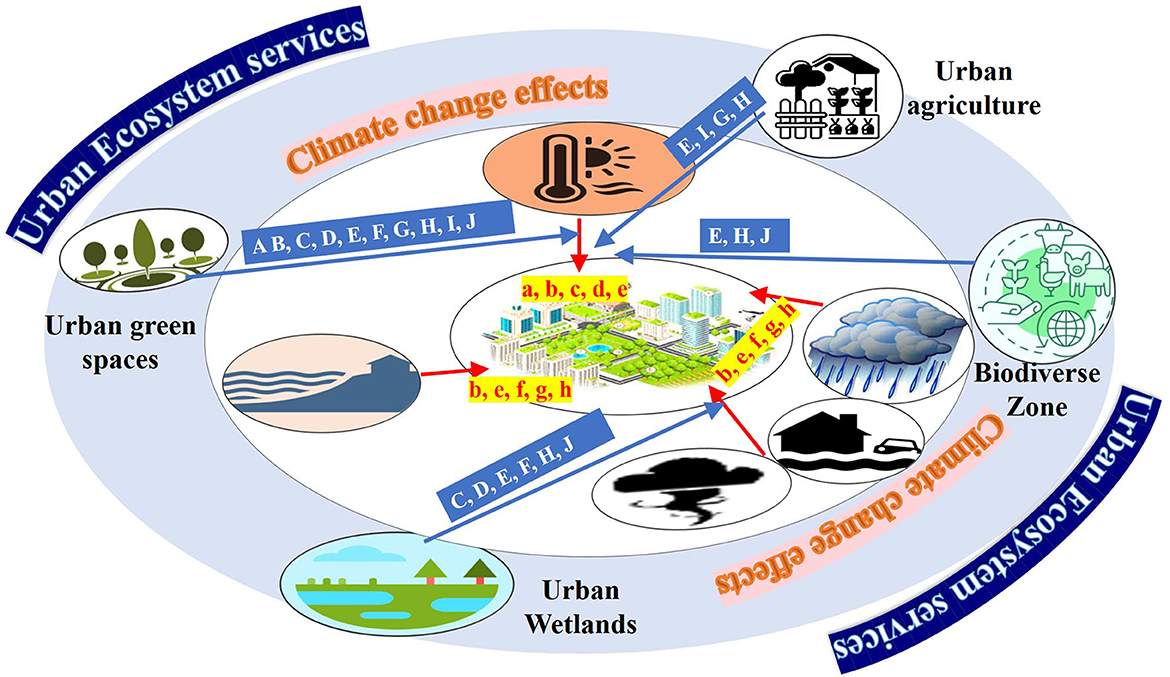
A. Climate resilience improves. Green roofs, rain gardens, and smart wetlands absorb stormwater, reduce flooding, and cool urban heat islands.
B. Biodiversity increases. Connected habitats, pollinator corridors, and native plantings support insects, birds, and small mammals. Sensors can track whether these species are returning.
C. Public health benefits grow. Cleaner air, cooler streets, and accessible green space reduce respiratory illness, heat stress, and mental fatigue.
D. Social equity can improve if projects are designed fairly. Technonature can bring parks, shade, and food to underserved neighborhoods, but only if investment is intentional.
E. Local economies gain. Green infrastructure creates jobs in ecology, engineering, data science, maintenance, and community organizing.
F. Education and awareness rise. Real-time data can turn a park into a living classroom. Residents can see how their neighborhood responds to rain, heat, or pollution.
These benefits are not automatic. They depend on good design, long-term maintenance, and inclusive governance.
Risks and Criticisms
Technonature also has risks.
A. Greenwashing is common. Some projects use the language of sustainability while doing little for ecosystems or equity.
B. Surveillance concerns arise. Sensors and cameras can collect data that is misused or used to control public space.
C. The digital divide can widen. Wealthy neighborhoods may get advanced green infrastructure while poorer areas receive little.
D. Ecological simplification is a danger. Technology can favor manageable species and overlook complex relationships that make ecosystems resilient.
E. Maintenance costs can be high. Sensors break, software becomes obsolete, and plants need care. Without funding, technonature becomes techno-waste.
F. Corporate control is a risk. If private companies own the data and infrastructure, public accountability may weaken.
These risks do not mean technonature should be abandoned. They mean it must be governed carefully, transparently, and democratically.
Design Principles for Better Technonature
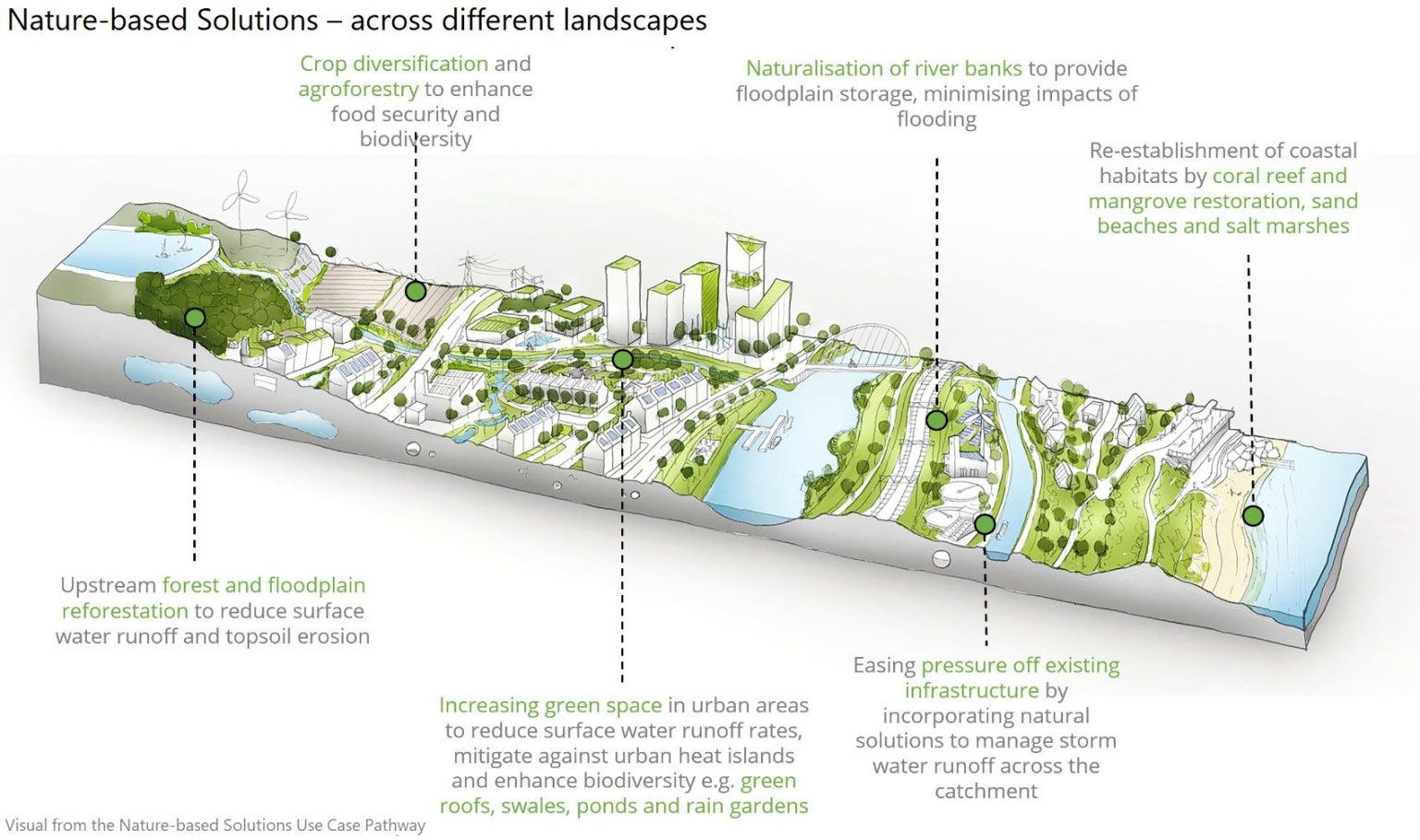
To avoid the pitfalls, cities should follow clear principles.
A. Nature-first design means ecosystems lead and technology supports. The goal is not to replace natural processes but to enhance them.
B. Open data and interoperability ensure that systems can work together and that citizens can access information.
C. Community governance gives residents a real voice in planning, monitoring, and decision-making.
D. Redundancy and diversity make systems stronger. A city should not rely on one sensor network, one plant species, or one company.
E. Circularity reduces waste. Rainwater is harvested, organic waste becomes compost, and old materials are reused.
F. Adaptive management treats projects as experiments. Data is reviewed, mistakes are corrected, and strategies evolve.
G. Interoperability and standards prevent lock-in. Cities should avoid proprietary systems that cannot communicate with others.
These principles turn technonature from a marketing slogan into a public good.
Policy, Funding, and Governance
Technonature requires supportive policy. Governments can offer tax incentives for green roofs, require biodiversity net gain in new developments, and fund smart water systems. They can also set standards for data privacy, environmental performance, and community benefit. Funding can come from public budgets, green bonds, public-private partnerships, and international climate finance. However, public oversight is essential. Contracts should be transparent, and data should remain a public asset where possible.
City agencies must also collaborate. Parks departments, transport authorities, water utilities, health agencies, and digital offices often work in silos. Technonature demands integration. A single project may involve ecologists, engineers, data scientists, planners, and residents. This is difficult, but it is also where innovation happens.
The Future of Urban Nature
In the coming decades, urban nature will become more intelligent, more connected, and more essential. We may see trees that signal drought stress before leaves wilt. We may see parks that adjust lighting and irrigation based on foot traffic and weather. We may see buildings that grow food, clean air, and generate energy while providing habitat. We may see entire districts designed as living systems, with digital twins guiding daily decisions.
But the future should not be technocratic. The most successful technonature will be human-centered and nature-led. It will respect local knowledge, protect vulnerable communities, and treat data as a tool for empowerment, not control. It will recognize that a city is not a machine but a living community of people, plants, animals, microbes, and technologies.
Conclusion
Urban nature becomes technonature when cities stop treating ecology and technology as opposites. The challenge is to blend them wisely. Technology can help nature survive in harsh urban conditions, but nature must set the direction. Sensors, AI, robots, and data can support biodiversity, climate resilience, and public health, but they cannot replace the fundamental need for soil, water, sunlight, and care. The best technonature is not a high-tech spectacle. It is a quiet, resilient, and equitable fusion of life and information. It is the next chapter of the city: not a machine in a garden, and not a garden in a machine, but a living hybrid where both can thrive.