Cities have always been engines of opportunity, culture, and economic growth. Yet for much of modern history, urban development has treated nature as decoration rather than infrastructure. Trees were planted for beauty, rivers were buried under concrete, and wetlands were drained to make room for roads and buildings. That model is now under intense pressure. Climate change, extreme heat, flooding, air pollution, biodiversity loss, and rising mental health challenges are forcing planners, architects, technologists, and citizens to rethink what a city can be. The result is a powerful new movement: urban nature tech. This approach blends ecological systems with digital intelligence, turning green spaces into responsive, data-driven infrastructure. It is not simply about adding more parks. It is about creating cities that sense, adapt, and regenerate.
Urban nature tech is reshaping cities because it changes the relationship between the built environment and the natural world. Instead of separating nature from technology, it treats them as partners. Sensors monitor soil moisture. Artificial intelligence predicts heat stress. Digital twins simulate how a new wetland will reduce flooding. Communities use mobile platforms to care for street trees. The city becomes a living system, not a static machine. This shift has profound implications for urban planning, public health, climate resilience, and social equity. It also creates new economic opportunities and challenges. Understanding this transformation is essential for anyone who cares about the future of cities.
What Urban Nature Tech Actually Means
Urban nature tech is the integration of natural elements trees, shrubs, wetlands, green roofs, rain gardens, urban farms, and waterways with digital technologies such as the Internet of Things, artificial intelligence, remote sensing, geographic information systems, and data analytics. The goal is to make green infrastructure measurable, adaptive, and connected. A conventional park may be beautiful, but an urban nature tech park can report its own air quality, water usage, biodiversity activity, and cooling performance. It can respond to drought by adjusting irrigation. It can alert maintenance teams when a tree is stressed. It can even communicate with nearby buildings to optimize energy use.
This field combines several disciplines. Ecology provides the understanding of living systems. Engineering provides the physical infrastructure. Data science provides the intelligence. Urban planning provides the framework. Social science provides the understanding of how people use and value nature. When these disciplines work together, cities can achieve outcomes that neither concrete nor wilderness alone can deliver.
A useful way to understand urban nature tech is to break it into core layers:
A. Ecological infrastructure includes the living systems that provide services such as cooling, carbon storage, water filtration, and habitat. Examples include urban forests, mangrove restoration, bioswales, green walls, and constructed wetlands.
B. Digital sensing includes sensors, satellites, drones, and cameras that collect data on temperature, humidity, soil conditions, air quality, water flow, and wildlife activity. This data turns nature into a measurable asset.
C. Intelligent analytics includes AI and machine learning models that interpret data, predict risks, and recommend actions. These tools can forecast heat islands, flood zones, and biodiversity corridors.
D. Adaptive management includes automated or semi-automated systems that adjust irrigation, lighting, ventilation, and maintenance schedules based on real-time conditions.
E. Community interfaces include apps, dashboards, and participatory platforms that allow residents to report issues, adopt trees, join citizen science projects, and influence local green planning.
Together, these layers create a feedback loop. Nature provides benefits. Technology measures those benefits. Data informs decisions. Decisions improve nature. The city learns.
Why Cities Need This Now
The urgency behind urban nature tech comes from converging crises. More than half of the world’s population lives in cities, and that share continues to rise. Urban areas consume a majority of global energy and produce a large share of greenhouse gas emissions. They also concentrate heat, pollution, and poverty. Climate change amplifies these problems. Heat waves are becoming more frequent and intense. Storms are dumping more rain in shorter periods. Droughts are stressing water supplies. Sea-level rise threatens coastal neighborhoods. Biodiversity is declining as habitats fragment.
Traditional gray infrastructure concrete pipes, air conditioners, seawalls can only do so much. It is often expensive, carbon-intensive, and inflexible. Green infrastructure offers a different path. Trees shade streets and reduce surface temperatures. Wetlands absorb floodwater. Green roofs insulate buildings. Urban gardens improve food access. But green infrastructure has a weakness: it is hard to manage at scale. A city may have thousands of trees, hundreds of green roofs, and dozens of wetlands. How can officials know which ones are healthy, which need water, and which provide the greatest benefit? That is where technology becomes essential.
Urban nature tech also addresses social needs. Access to green space is linked to lower stress, better cardiovascular health, and stronger community ties. Yet not all neighborhoods have equal access. Low-income and minority communities often have fewer trees, more heat, and worse air quality. Data-driven approaches can identify these inequities and target investment where it is needed most. Technology, if governed fairly, can make nature more accessible rather than more exclusive.
The Core Technologies Driving Change
Several technologies are converging to make urban nature tech practical and scalable. Each plays a distinct role, but their real power comes from integration.
A. IoT sensor networks are among the most visible tools. Small, low-cost sensors can be placed in soil, on trees, in waterways, and on rooftops. They measure moisture, temperature, humidity, particulate matter, and water quality. The data flows to cloud platforms where it can be analyzed in real time. For example, a smart irrigation system can water a green roof only when needed, saving millions of liters annually.
B. Artificial intelligence and predictive analytics turn raw data into foresight. AI models can identify which streets will be hottest in a heat wave, which drainage basins are most likely to flood, and which tree species will thrive under future climate conditions. They can also optimize maintenance schedules, reducing costs and improving survival rates for newly planted trees.
C. Digital twins are virtual replicas of physical environments. A city can create a digital twin of a neighborhood, including buildings, streets, trees, and waterways. Planners can then simulate the impact of a new park, a green roof mandate, or a restored stream. Digital twins allow decision-makers to test ideas before spending money and to monitor performance after implementation.
D. Smart water systems combine sensors, pumps, valves, and weather forecasts. They can direct stormwater into rain gardens, cisterns, or wetlands. They can also detect leaks and contamination. In water-scarce cities, such systems are essential for keeping green infrastructure alive without wasting potable water.
E. Remote sensing and GIS use satellites, drones, and aerial imagery to map vegetation, land cover, and heat patterns. This is especially useful for large-scale planning. A city can see where tree canopy is declining, where new parks would have the greatest cooling effect, and where wildlife corridors could be connected.
F. Renewable energy microgrids can power urban nature tech systems. Solar panels on green roofs can run sensors, pumps, and lighting. Biogas from urban food waste can fuel maintenance vehicles. The combination of green infrastructure and clean energy reduces emissions while increasing resilience.
G. Biophilic design platforms use data to bring nature into buildings. Smart windows can adjust tint based on sunlight. Indoor gardens can be monitored for air quality and humidity. Wearable devices can even track how time in nature affects stress levels, helping employers and planners design healthier spaces.
H. Robotics and drones are beginning to support planting and maintenance. Drones can map terrain, drop seed pods, and inspect tall trees. Robots can weed, prune, and monitor soil. These tools are particularly valuable in dangerous or hard-to-reach areas.
I. Blockchain and distributed ledgers are being explored for carbon credits, biodiversity credits, and community benefit sharing. If a neighborhood restores a wetland, blockchain could verify the carbon stored and distribute rewards transparently.
J. Augmented reality and virtual reality help citizens visualize future green spaces. Residents can point a phone at an empty lot and see a community garden. They can walk through a virtual wetland before it is built. This builds support and reduces conflict.
How Urban Nature Tech Reshapes Planning and Governance

The integration of nature and technology changes how cities are planned and governed. Traditional planning often treats green space as a separate category, handled by parks departments with limited budgets. Urban nature tech makes nature a cross-cutting concern. It affects transportation, housing, energy, water, public health, and economic development. This requires new forms of collaboration.
A. Data-driven zoning uses environmental data to guide land use. Instead of simply designating areas for residential or commercial use, planners can designate green corridors, cool zones, and floodplains. Zoning codes can require developers to contribute to ecological connectivity.
B. Performance-based codes focus on outcomes rather than prescriptions. A building might be required to reduce stormwater runoff by a certain percentage, but the developer can choose green roofs, rain gardens, or permeable pavement. Technology verifies whether the target is met.
C. Public-private partnerships bring together governments, technology companies, utilities, and community organizations. These partnerships can finance sensors, build data platforms, and maintain green infrastructure. However, they must be designed to protect public interests and avoid lock-in to proprietary systems.
D. Citizen science and participatory platforms allow residents to collect data, report problems, and propose solutions. A community group might monitor air quality near a highway. Another might map native plants in a park. This data can supplement official monitoring and give residents a stronger voice.
E. Adaptive governance uses real-time data to adjust policies. If a heat wave hits, the city can open cooling centers and activate misting stations. If a drought worsens, it can prioritize water for young trees. Governance becomes more flexible and responsive.
The Benefits of Urban Nature Tech
The benefits of urban nature tech are wide-ranging. They can be grouped into environmental, social, and economic categories.
A. Climate resilience is one of the most important. Green infrastructure reduces heat, absorbs stormwater, and stabilizes slopes. Technology makes these benefits visible and manageable. Cities can target investments to the most vulnerable neighborhoods.
B. Public health improves when people have access to clean air, cool spaces, and nature. Studies link green space to lower rates of asthma, obesity, and stress. Sensors can identify pollution hotspots and guide mitigation.
C. Biodiversity increases when habitats are connected and monitored. Urban nature tech can track wildlife, restore native plants, and reduce pesticide use. Cities can become refuges for pollinators, birds, and small mammals.
D. Economic value grows through reduced energy costs, higher property values, and new jobs. Green roofs lower cooling bills. Parks attract visitors and businesses. The urban nature tech sector creates roles in data science, ecology, engineering, and maintenance.
E. Social equity can improve if investments are directed to underserved areas. Data can reveal disparities in tree canopy and heat exposure. Participatory platforms can give marginalized communities a say in planning.
F. Water and energy efficiency increase through smart irrigation, rainwater harvesting, and renewable energy. These systems reduce pressure on aging infrastructure.
G. Mental well-being benefits from biophilic design and accessible nature. Technology can help measure and enhance these effects, making the case for investment.
H. Property and insurance value can rise when flood risk is reduced. Insurers may offer lower premiums for buildings with certified green infrastructure. This creates financial incentives for adoption.
Challenges and Risks
Urban nature tech is not a cure-all. It faces significant challenges that must be addressed honestly.
A. The digital divide can exclude low-income and elderly residents from participatory platforms. If technology is the only way to access green services, inequality may worsen.
B. Data privacy is a serious concern. Sensors and cameras can collect information about people, not just plants. Clear rules are needed to protect civil liberties.
C. High upfront costs can deter cities with limited budgets. Sensors, software, and skilled staff require investment. However, life-cycle savings often justify the expense.
D. Maintenance is often overlooked. Technology breaks. Trees need care. If systems are not maintained, they fail and public trust erodes.
E. Greenwashing is a risk. Some projects use the language of nature tech without delivering real ecological benefits. Independent verification and transparency are essential.
F. Technical complexity can lead to fragmentation. Different departments may use incompatible systems. Standards and open data are needed.
G. Governance silos can block integration. Parks, transportation, water, and IT departments may not collaborate. Strong leadership is required.
H. Unintended ecological consequences can occur. Introducing non-native species or altering water flows can harm ecosystems. Careful planning and monitoring are essential.
Real-World Directions
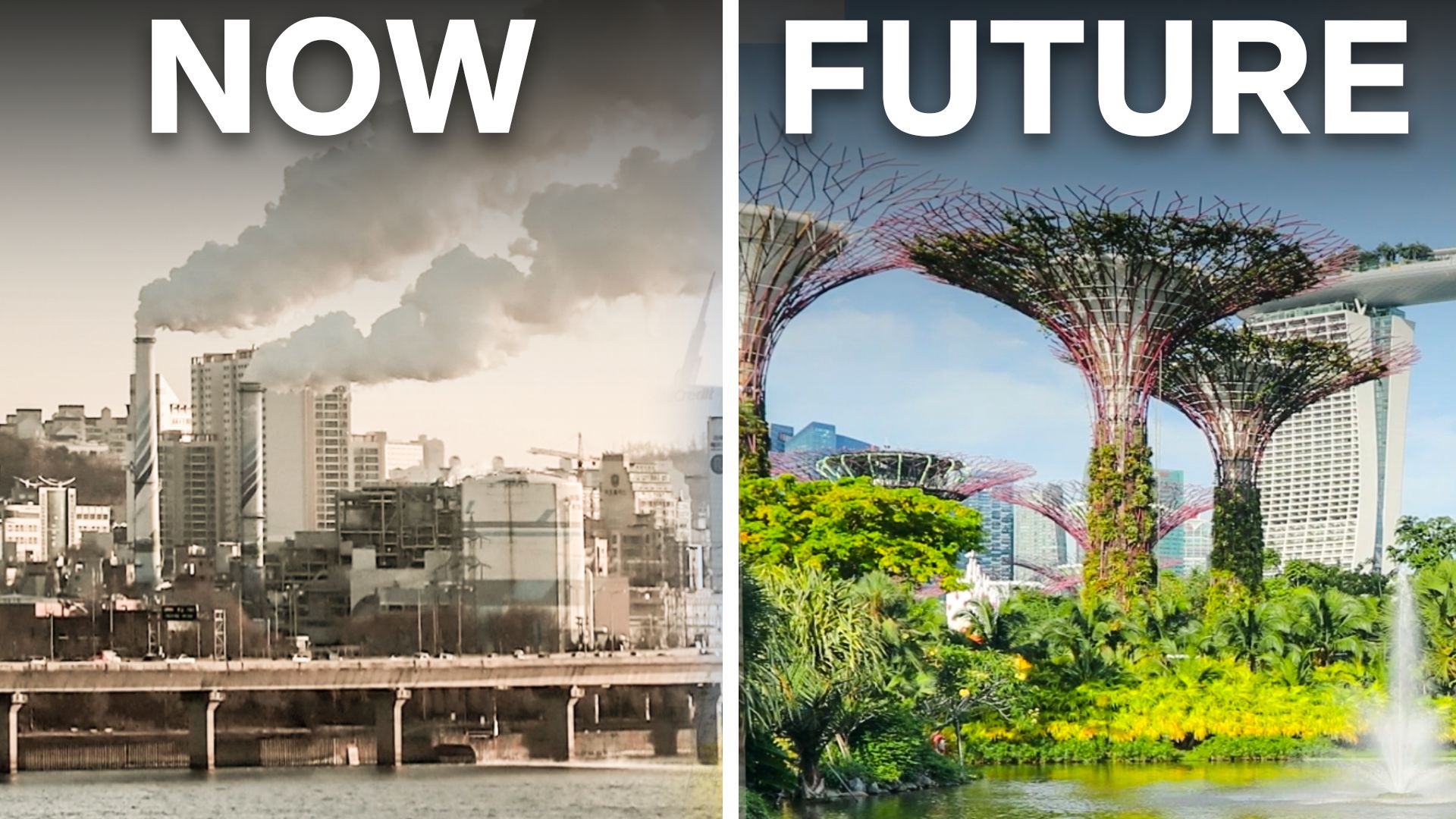
Cities around the world are experimenting with urban nature tech. Singapore has integrated green roofs, vertical gardens, and smart water management into its urban fabric. Amsterdam uses smart grids and citizen data to support sustainable neighborhoods. Seoul has restored streams and created green corridors that reduce heat and improve mobility. Medellín has used green corridors to cool the city and connect habitats. Rotterdam has built water plazas that store floodwater and serve as public spaces. Curitiba has long pioneered bus rapid transit and urban parks. These examples are not identical, but they share a common insight: nature and technology can work together.
In the Global South, urban nature tech can be especially transformative. Many cities face rapid growth, informal settlements, and limited infrastructure. Low-cost sensors, mobile phones, and community mapping can help residents improve their own environments. Green roofs, urban gardens, and rainwater harvesting can provide food, cooling, and water. The key is to design with communities, not for them.
An Implementation Roadmap
For cities that want to adopt urban nature tech, a structured approach can help.
A. Assess the baseline. Map existing green infrastructure, heat islands, flood zones, biodiversity, and social vulnerabilities. Identify data gaps.
B. Set clear goals. Decide what the city wants to achieve: cooler streets, cleaner water, more habitat, better health, or greater equity. Goals should be measurable.
C. Build data infrastructure. Invest in sensors, open platforms, and standards. Ensure data is accessible to multiple departments and the public.
D. Start with pilot projects. Choose a neighborhood or corridor. Test technologies and approaches. Learn what works.
E. Scale and integrate. Expand successful pilots. Connect them into citywide networks. Integrate with transportation, housing, and energy plans.
F. Engage communities. Involve residents in design, data collection, and maintenance. Provide training and employment opportunities.
G. Monitor and adapt. Use real-time data to adjust management. Publish results. Celebrate successes and learn from failures.
H. Finance and policy. Use green bonds, public-private partnerships, and carbon markets. Adopt codes and incentives that reward ecological performance.
The Future of Urban Nature Tech
The future of urban nature tech will be shaped by advances in AI, robotics, synthetic biology, and materials science. We can expect cities to become more autonomous in managing their green infrastructure. Swarms of small robots may plant and care for trees. Bio-digital interfaces may allow plants to communicate their needs directly. Carbon-negative concrete and living buildings may become common. Floating parks, vertical forests, and underground wetlands may appear in dense cities.
Yet the most important innovation may be social. Urban nature tech will succeed only if it serves people and ecosystems, not just efficiency. It must be democratic, transparent, and equitable. It must respect local knowledge and culture. It must protect privacy and biodiversity. It must be beautiful, not just smart.
Conclusion

Urban nature tech is reshaping cities by merging the oldest technology nature with the newest. It turns green spaces into intelligent infrastructure that cools, cleans, connects, and heals. It offers a path toward resilience in a time of climate disruption. It creates new opportunities for health, equity, and economic vitality. But it also demands careful governance, investment, and humility. Cities are complex living systems, not machines. The best urban nature tech does not try to control nature. It listens to nature, learns from it, and helps it thrive alongside people. As more cities embrace this approach, the result could be a new kind of urbanism: one that is regenerative, responsive, and deeply human.