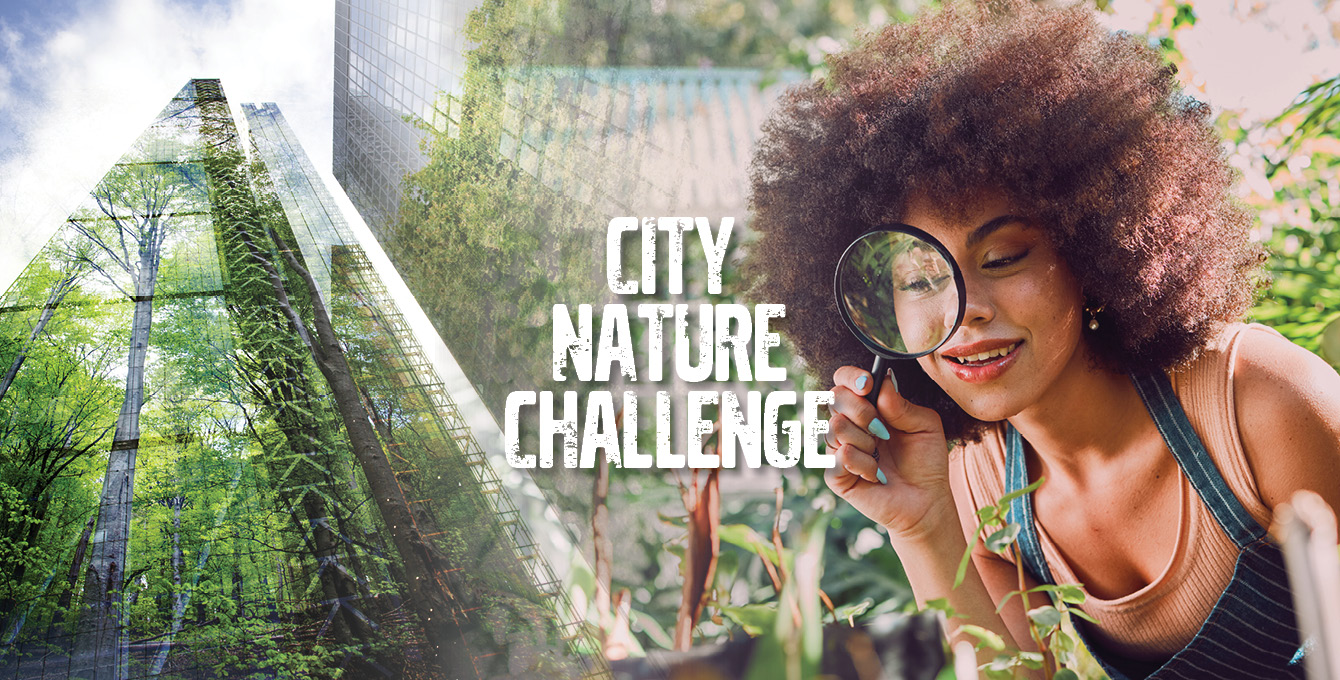
The Nature City Challenge is no longer a small experiment confined to a handful of progressive municipalities. It has grown into a global movement that invites cities of every size, climate, and income level to rethink how urban life interacts with the natural world. What began as a localized effort to restore green spaces, protect biodiversity, and cool overheating neighborhoods has evolved into a shared international platform. Today, the challenge connects mayors, urban planners, scientists, community groups, investors, and residents around one central idea: cities can be engines of ecological restoration rather than sources of environmental decline.
As climate change accelerates, biodiversity loss worsens, and urban populations continue to expand, the stakes could hardly be higher. More than half of the world’s people already live in cities, and that share is expected to rise in the coming decades. Cities consume enormous amounts of energy and resources, generate waste, and alter local ecosystems. Yet they also hold extraordinary potential. A city with well-designed parks, restored rivers, green roofs, tree-lined streets, wetlands, and community gardens can store carbon, manage stormwater, reduce heat, support pollinators, improve public health, and strengthen social bonds. The Nature City Challenge Goes Global because the urban future and the natural future are no longer separate conversations. They are the same conversation.
Why the Nature City Challenge Matters Now
For much of modern history, nature in cities was treated as decoration. Trees were planted for beauty. Parks were seen as recreational extras. Rivers were often buried, channeled, or polluted. Wetlands were drained to make room for development. As a result, many urban areas became concrete-heavy landscapes that trap heat, flood quickly, and offer little habitat for wildlife. The consequences are now impossible to ignore. Heat waves kill thousands each year. Flash floods damage homes and businesses. Air pollution shortens lives. Mental health suffers when people lack access to green space. Biodiversity collapses when insects, birds, and small mammals lose the patches of land and water they need to survive.
The Nature City Challenge responds to these realities by asking cities to move nature from the margins to the center of urban decision-making. It is not simply a tree-planting campaign, although trees matter. It is not only a climate adaptation program, although adaptation is essential. It is a comprehensive framework that links ecology, public health, equity, infrastructure, and economic development. The challenge encourages cities to set measurable goals, adopt nature-based solutions, engage residents, and report progress transparently. In doing so, it turns urban nature into a shared civic project rather than a luxury reserved for wealthy neighborhoods.
From Local Pilot to Global Movement
The early versions of the Nature City Challenge were practical and place-based. A city would select a few neighborhoods, restore a degraded park, plant native species, or create a rain garden. Local nonprofits and volunteers would join. Results would be measured in reduced flooding, cooler temperatures, or increased bird sightings. These pilots proved that small interventions can produce meaningful benefits. But they also revealed a limitation: isolated projects cannot transform an entire city. To achieve lasting change, nature must be embedded in budgets, zoning codes, transportation plans, housing policies, and long-term climate strategies.
Going global changes the scale and ambition of the challenge. Cities can now learn from one another across continents. A coastal city facing sea-level rise can exchange ideas with a dryland city dealing with drought. A dense megacity can study how smaller towns create green corridors. A low-income community can share traditional ecological knowledge with engineers and architects. The global dimension also creates healthy competition. Cities want to be recognized as leaders. They want to attract investment, talent, and tourism. They want to show residents that progress is possible. As more cities join, the challenge builds momentum, normalizes ambitious action, and raises expectations for what a sustainable city should look like.
What the Challenge Actually Asks Cities to Do
The Nature City Challenge is flexible because every city has different ecosystems, governance structures, and social needs. However, most participating cities are expected to work across several core areas. These areas form the backbone of the global challenge.
A. Commit to measurable nature and climate goals. Cities are asked to set targets for tree canopy cover, green space access, biodiversity protection, stormwater management, carbon storage, and heat reduction. Targets should be specific, time-bound, and publicly reported.
B. Map and protect existing urban ecosystems. Before restoring nature, cities must understand what they already have. This includes forests, wetlands, rivers, coastlines, vacant lots, cemeteries, schoolyards, and even roadside verges. Mapping helps identify priority areas for protection and connection.
C. Integrate nature into urban planning and infrastructure. Nature-based solutions should not be add-ons. They should be included in housing projects, transit corridors, water systems, energy plans, and public health strategies. A new road, for example, can include bioswales, native plantings, and shade trees instead of bare pavement.
D. Engage residents, businesses, and community organizations. Lasting change requires public support. Cities are encouraged to co-design projects with local people, especially those in underserved neighborhoods. Businesses can contribute funding, volunteers, and innovation. Schools can turn green spaces into outdoor classrooms.
E. Finance and monitor long-term maintenance. Planting a tree is only the beginning. Someone must water it, prune it, and protect it. The challenge emphasizes dedicated budgets, trained staff, and data systems that track progress over years and decades.
Core Pillars of the Global Challenge
The Nature City Challenge Goes Global because its benefits cross borders and sectors. Five pillars shape its international framework.
A. Biodiversity. Cities can support pollinators, birds, amphibians, and mammals by restoring native habitats and connecting green patches. Even small urban gardens can serve as stepping stones for wildlife.
B. Climate resilience. Green infrastructure absorbs rainwater, reduces flooding, cools streets, and buffers coasts. Nature is often cheaper and more flexible than concrete alone.
C. Health and well-being. Access to green space lowers stress, encourages physical activity, improves air quality, and strengthens community ties. Hospitals and clinics increasingly recognize nature as part of preventive care.
D. Equity and access. Not everyone enjoys the same environmental benefits. The challenge asks cities to prioritize communities that have suffered from pollution, disinvestment, and lack of parks.
E. Economic vitality. Green cities attract investment, reduce energy costs, support local jobs, and boost property values when managed fairly. Nature-based industries, from ecological restoration to sustainable design, create new career pathways.
How Cities Join and Advance
The global challenge offers a structured but adaptable pathway. Cities do not need to be perfect before joining. They need commitment, transparency, and a willingness to learn.
A. Register and establish a baseline. Cities begin by assessing their current conditions. How much green space exists? Who has access? Where does flooding occur? What species are present? A baseline creates a starting point for honest measurement.
B. Develop an action plan. The plan should include priorities, timelines, budgets, and responsibilities. It should connect nature goals with climate, housing, transport, and health policies.
C. Implement pilot and scale-up projects. Early projects can demonstrate success and build public trust. Cities might start with a single neighborhood, a school district, or a river corridor. Successful pilots can then be expanded citywide.
D. Measure, report, and improve. Data is essential. Cities track indicators such as canopy cover, temperature, flood damage, biodiversity counts, and resident satisfaction. Reporting keeps leaders accountable and helps other cities learn.
Global Expansion: What Changes When It Goes Worldwide
When the Nature City Challenge expands globally, several important shifts occur. First, knowledge moves faster. A solution tested in one city can be adapted in another within months rather than years. Second, standards become more comparable. Cities can benchmark their progress against peers with similar climates, densities, and budgets. Third, financing becomes more accessible. International donors, development banks, and private investors are more likely to support a recognized global initiative with clear metrics. Fourth, political pressure increases. Local leaders can point to global commitments when defending nature budgets against short-term political attacks. Fifth, communities gain a stronger voice. Global networks often include civil society organizations that can share local concerns and hold governments accountable.
At the same time, global expansion brings risks. Cities may copy solutions that do not fit their ecology or culture. Wealthy cities may dominate the agenda. Poorer cities may lack the staff and data to participate fully. The challenge must therefore be designed with flexibility, funding support, and respect for local knowledge. Going global should not mean becoming uniform. It should mean becoming connected.
Lessons from Early Adopters
Early participants in the Nature City Challenge have already produced valuable lessons. A coastal city in Southeast Asia restored mangrove belts to reduce storm surge and support fisheries. A Latin American city turned a polluted river corridor into a linear park with native plants, walking paths, and community markets. A European city replaced asphalt schoolyards with rain gardens and shade trees, lowering playground temperatures during summer heat waves. An African city trained young people to map trees and monitor water quality, creating jobs while improving environmental data.
These examples share common features. They began with clear local problems. They involved residents from the start. They used native species. They measured results. They connected nature to daily life, whether through food, shade, safety, or income. Most importantly, they treated nature not as a cost but as an investment. The global challenge amplifies these lessons so that more cities can avoid mistakes and accelerate progress.
Nature-Based Solutions in Practice
The Nature City Challenge promotes a wide menu of nature-based solutions. Cities can mix and match depending on their climate, geography, and social priorities.
A. Urban forests and green corridors. Trees and connected greenways provide shade, absorb carbon, filter air, and allow wildlife to move. They also make walking and cycling more attractive.
B. Wetlands and sponge city systems. Wetlands, ponds, rain gardens, and permeable pavements absorb rainwater and reduce flooding. They can be designed as beautiful public spaces.
C. Community gardens and pollinator pathways. These spaces grow food, support bees and butterflies, and bring neighbors together. They are especially valuable in neighborhoods with limited fresh food access.
D. Green roofs and living walls. These features cool buildings, reduce energy use, and create habitat in dense areas. They can also improve insulation and extend roof lifespan.
E. River restoration and blue-green infrastructure. Daylighting buried streams, restoring banks, and creating riparian parks can transform neglected corridors into civic assets. They improve water quality, reduce flood risk, and create recreation opportunities.
Technology, Data, and Innovation
The global Nature City Challenge is powered by rapid advances in technology. Satellite imagery can track tree cover and heat islands. Drones can map remote wetlands. Sensors can monitor air quality, soil moisture, and water levels. Mobile apps allow residents to report illegal dumping, log wildlife sightings, or request tree planting. Artificial intelligence can help planners identify the best locations for green infrastructure. Digital twins, which are virtual models of cities, can simulate how different nature-based solutions might perform under future climate scenarios.
However, technology must serve equity and ecology, not replace them. A city can have impressive dashboards and still fail to plant trees where they are most needed. Data should be transparent and accessible. Communities should help decide what is measured and how results are used. Innovation is most powerful when it combines scientific tools with local knowledge, including the wisdom of Indigenous peoples and long-term residents who understand their landscapes.
Financing the Global Challenge
.jpg?format=750w)
Money is one of the biggest barriers to urban nature. Many cities struggle to fund basic services, let alone long-term ecological restoration. The Nature City Challenge addresses financing in several ways. It encourages cities to integrate nature into existing infrastructure budgets rather than treating it as a separate expense. It promotes public-private partnerships, green bonds, climate funds, and payment for ecosystem services. It also highlights the economic returns of nature-based solutions, such as reduced flood damage, lower energy bills, improved health outcomes, and increased tourism.
International cooperation can help close funding gaps. Development banks can offer low-interest loans. Philanthropic foundations can support pilot projects. National governments can provide matching grants. Businesses can invest in green spaces as part of their climate commitments. Yet financing must be fair. Low-income communities should not be displaced by green gentrification. Policies such as community land trusts, affordable housing requirements, and local hiring can help ensure that the benefits of urban nature are shared broadly.
Community Engagement and Environmental Justice
The Nature City Challenge cannot succeed if it is only a top-down government program. Residents must be involved in planning, implementation, and monitoring. Community engagement can take many forms: neighborhood meetings, citizen science, school projects, cultural events, and participatory budgeting. When people help design a park or garden, they are more likely to care for it. When they see their ideas reflected in public spaces, trust grows.
Environmental justice is central. Many cities have historically placed highways, factories, landfills, and waste facilities near poor and minority neighborhoods. These communities often have the least green space and the highest heat, pollution, and flood risk. The global challenge asks cities to correct these injustices. That means investing first in underserved areas, hiring local residents, protecting against displacement, and ensuring that new green spaces remain accessible and affordable. Nature should not become another luxury for the wealthy. It should be a basic part of a healthy urban environment for everyone.
Policy, Governance, and Partnerships
Strong policy and governance are essential. Cities need clear rules, dedicated departments, and cross-sector coordination. Nature goals should be embedded in zoning codes, building standards, procurement policies, and climate action plans. Mayors can appoint chief heat officers, urban ecologists, or biodiversity officers. City councils can pass tree protection ordinances and green roof requirements. National governments can provide funding, technical support, and legal frameworks.
Partnerships multiply impact. Universities can conduct research. Nonprofits can mobilize volunteers. Faith groups can care for gardens. Sports clubs can adopt parks. International networks can share best practices. The Nature City Challenge Goes Global because no single city, organization, or country can solve the urban nature crisis alone. Collaboration is not optional. It is the engine of progress.
Measuring Success: Metrics That Matter
To know whether the challenge is working, cities must measure the right things. Common indicators include:
A. Tree canopy cover and green space per capita. These show how much nature is available and whether it is distributed fairly.
B. Biodiversity counts and habitat connectivity. These track whether wildlife is returning and whether green areas are linked.
C. Temperature reduction and heat-related illness. These reveal whether nature is protecting public health.
D. Flood damage and stormwater capture. These show whether green infrastructure is reducing risk.
E. Community access, satisfaction, and participation. These measure whether people feel included and benefit from projects.
F. Investment, jobs, and maintenance budgets. These indicate whether nature is treated as long-term infrastructure rather than a temporary project.
Metrics should be public, understandable, and used for learning, not punishment. Cities that struggle should receive support, not shame. The goal is continuous improvement.
Barriers and How to Overcome Them
The global expansion of the Nature City Challenge will face obstacles. Some are political. Leaders may change, budgets may shrink, and short-term crises may push nature down the agenda. Some are technical. Cities may lack data, staff, or expertise. Some are social. Residents may fear displacement or disagree about land use. Some are financial. Maintenance costs may be overlooked. Some are ecological. Climate change may make some solutions less viable over time.
Overcoming these barriers requires persistence and creativity. Cities can embed nature goals in law so they survive political transitions. They can train local workers and create green jobs. They can communicate clearly about benefits and trade-offs. They can secure dedicated maintenance funds. They can use adaptive management, adjusting strategies as conditions change. Most importantly, they can build broad coalitions that include business, labor, faith, health, youth, and environmental groups. A movement is stronger than a single policy.
The Road Ahead: 2030 and Beyond
.jpg.webp)
The next decade will be decisive. If cities continue on a business-as-usual path, heat, flooding, biodiversity loss, and inequality will worsen. If they embrace the Nature City Challenge, they can create a different future. Imagine cities where every child can reach a park within ten minutes. Where streets are shaded by native trees. Where rivers are clean and accessible. Where roofs and walls grow food and support pollinators. Where flooding is absorbed by gardens and wetlands. Where communities have a voice in shaping their environment. Where nature is not a escape from the city but a defining feature of it.
The Nature City Challenge Goes Global because the urban century must also be a green century. Cities are where the battle for sustainability will be won or lost. They are laboratories, classrooms, and homes. They are centers of power and creativity. By joining a global challenge, cities can learn faster, act bolder, and inspire one another. The work will not be easy. It will require money, patience, science, and humility. But the alternative more concrete, more heat, more inequality, more extinction is far more costly.
The challenge is not simply to add nature to cities. It is to remember that cities are part of nature. They depend on clean air, fresh water, fertile soil, and a stable climate. They are home to people, plants, animals, and microorganisms. When cities protect and restore nature, they protect themselves. The Nature City Challenge is therefore more than a competition or a campaign. It is an invitation to reimagine urban life for the benefit of all species. That invitation is now global, and the response will shape the world for generations.