
Global urbanization has accelerated at an unprecedented pace, with cities now occupying only about 3% of the Earth’s land surface while hosting more than half of the world’s population. This concentration of people and infrastructure has profoundly altered regional energy and water exchanges, leading to significant shifts in precipitation patterns. While previous research has extensively examined how urban morphology, aerosols, and thermal effects influence rainfall anomalies, a critical dimension has long been overlooked: the ecohydrological processes driven by vegetation, particularly in the transitional zones surrounding cities.
A groundbreaking study published in Nature Cities has now illuminated the hidden role that peri-urban vegetation plays in modulating urban precipitation. By integrating satellite-derived vegetation trends with evapotranspiration modeling and atmospheric moisture-tracking techniques, researchers have quantified how vegetation changes in peri-urban areas affect urban precipitation across 1,029 cities worldwide. The findings reveal that increases in peri-urban vegetation enhance evapotranspiration, thereby increasing moisture supply to cities and contributing an average of 1.9% of annual urban precipitation explaining approximately 18.3% of long-term trends.
This article explores the mechanisms behind this phenomenon, examines the scientific evidence, and discusses the profound implications for urban climate adaptation and water resource management.
Understanding the Peri-Urban Zone
A. Defining Peri-Urban Areas
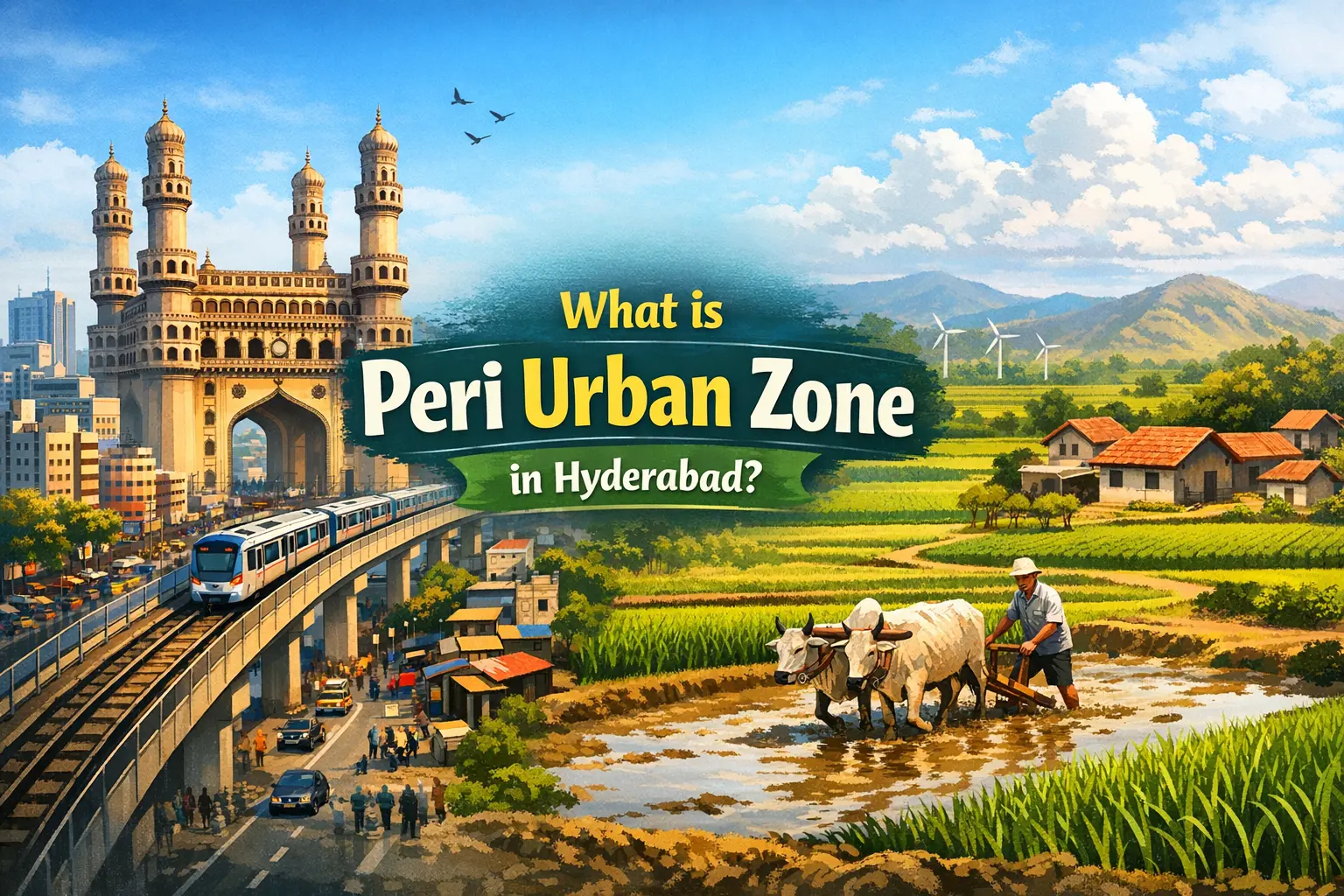
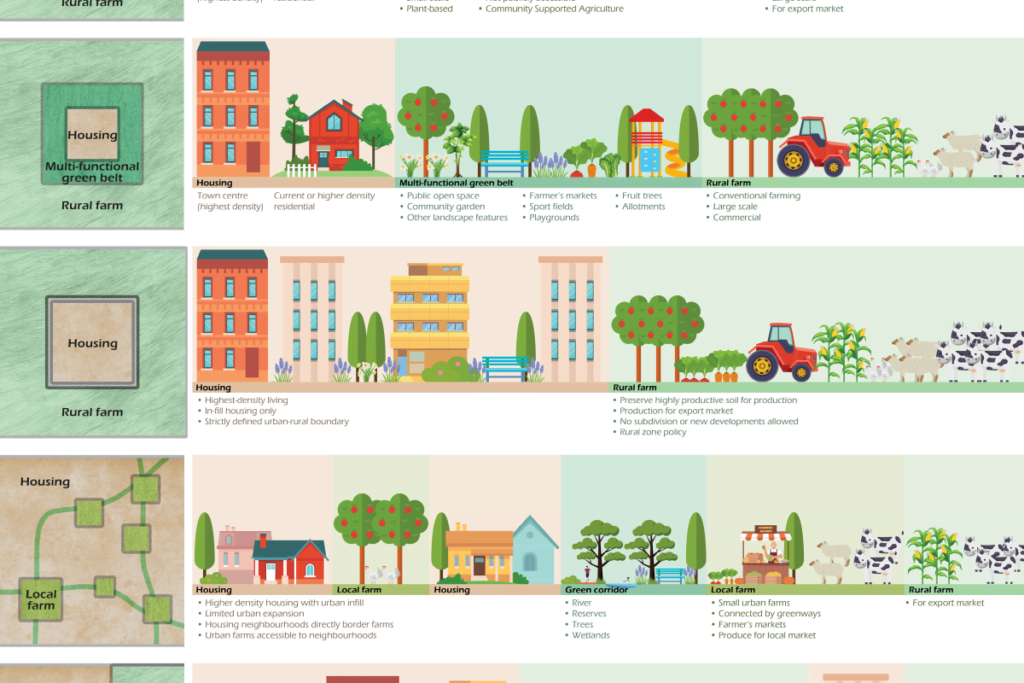
Peri-urban areas occupy the transitional space between fully urbanized cores and rural landscapes. These zones combine natural ecosystem characteristics with human influence, creating a hybrid environment that has traditionally been treated as a background variable in urban climate studies. Unlike dense urban cores, peri-urban regions retain significant vegetation cover, including forests, agricultural land, and wetland systems, which interact with the atmosphere in ways that directly influence urban weather patterns.
The binary framing of “urban” versus “non-urban” in most climate models has led to a systematic underrepresentation of peri-urban landscapes. As a result, the potential role of these transitional zones in shaping urban precipitation has not been systematically assessed until recently.
B. The Overlooked Role of Vegetation
Previous studies on urban precipitation have largely focused on how impervious surfaces, building heights, and anthropogenic heat modify atmospheric dynamics. While these factors are undoubtedly important, they neglect the biological dimension of the water cycle. Vegetation participates actively in the regional hydrological cycle through evapotranspiration the combined process of evaporation from soil and plant surfaces and transpiration from plant tissues. This process returns moisture to the atmosphere, where it can be transported downwind and contribute to precipitation in receiving areas.
The new research elevates peri-urban vegetation from a passive background variable to a key driver actively regulating urban precipitation, revealing a robust and directional ecohydrological coupling mechanism.
The Mechanism: How Vegetation Enhances Rainfall
A. Evapotranspiration as a Moisture Source
At the heart of the vegetation-rainfall connection lies evapotranspiration. When vegetation is present, water absorbed by plant roots is transported through stems and released as vapor through stomata—tiny pores on leaf surfaces. This transpiration process, combined with evaporation from soil and intercepted water on plant surfaces, constitutes a significant flux of moisture from the land surface to the atmosphere.
Research from the Yellow River Basin demonstrates that vegetation restoration significantly suppresses soil evaporation while substantially enhancing canopy transpiration. The evapotranspiration difference between vegetated and non-vegetated scenarios exhibited an increasing trend of 4.51 mm per year, with vegetation restoration leading to an increase of 1.68% in the annual mean precipitation recycling ratio and generating an additional 1.81 mm of precipitation per year.
B. Atmospheric Moisture Transport
The moisture released through evapotranspiration does not remain stationary. Atmospheric circulation patterns transport this moisture across landscapes, carrying it from peri-urban zones toward urban centers. The study by researchers at the Chinese State Key Laboratory of Basin Water Cycle and Water Security integrated multi-source remote sensing data, evapotranspiration models, and moisture-tracking techniques to trace the pathway from vegetation change to precipitation response.
The analysis revealed that among all city-peri-urban pairs exhibiting a clear causal direction, 63.1% showed that peri-urban greening tends to contribute to, rather than simply respond to, variations in urban precipitation. This directional influence confirms that vegetation change is not merely a passive consequence of climatic shifts but an active driver of precipitation dynamics.
C. Precipitation Recycling
Precipitation recycling refers to the process by which moisture that has evaporated from a region falls back as precipitation within the same region or a neighboring area. The research indicates that peri-urban vegetation change contributes more strongly to urban precipitation than vegetation change in intra-urban areas. This asymmetric amplification effect means that even modest changes in peri-urban vegetation cover can produce disproportionately large impacts on urban rainfall patterns.
Global Evidence from 1,029 Cities
The Nature Cities study represents the most comprehensive assessment to date of peri-urban vegetation’s impact on urban precipitation. By analyzing satellite-derived vegetation trends alongside evapotranspiration and moisture-tracking models, researchers quantified how peri-urban vegetation change affects urban precipitation across 1,029 cities worldwide.
A. Average Contribution to Urban Precipitation
On average, peri-urban vegetation contributes 1.9% of annual urban precipitation. While this percentage may appear modest, its significance becomes apparent when considering that it explains approximately 18.3% of long-term trends in urban rainfall. This disproportionate influence suggests that even modest peri-urban vegetation change can reshape hydroclimatic patterns in meaningful ways.
B. Regional Variations
The impact of peri-urban vegetation varies across climatic zones and urban contexts. In regions with strong monsoon systems, such as East Asia, the contribution may be particularly pronounced due to the interaction between vegetation-derived moisture and large-scale atmospheric circulation. In arid and semi-arid regions, the effect is more nuanced, as vegetation restoration may compete with other water uses even as it enhances precipitation recycling.
Research on the Loess Plateau in China has shown that large-scale vegetation restoration programs altered regional precipitation regimes by modifying biophysical processes in surface-atmosphere interactions. These results indicated that vegetation restoration initiated a positive feedback loop, enhancing both soil moisture and subsequent precipitation.
C. The Asymmetric Amplification Effect
One of the most important findings is the asymmetric amplification effect of peri-urban vegetation on urban precipitation. This means that the influence of peri-urban vegetation is not linear; relatively small changes in vegetation cover can produce amplified responses in urban rainfall. This non-linearity has profound implications for urban planning and climate adaptation, as it suggests that strategic investments in peri-urban greening may yield outsized returns in terms of water availability.
Broader Ecosystem Services of Peri-Urban Vegetation
While the rainfall-enhancing effect is the focus of this article, peri-urban vegetation provides a suite of additional ecosystem services that collectively contribute to urban sustainability and climate resilience.
A. Temperature Regulation and Heat Mitigation
Peri-urban forests and wetlands play a critical role in mitigating urban heat islands. Through evapotranspiration and shading, vegetation reduces surface and air temperatures. Research on peri-urban wetlands in the Kolkata Megacity Region has demonstrated that these landscapes provide heat mitigation through evapotranspiration and specific heat capacity. As cities face increasingly severe heatwaves, the cooling services of peri-urban vegetation become invaluable for public health and energy demand management.
B. Air Quality Improvement
Vegetation acts as a natural filter, removing particulate matter and gaseous pollutants from the atmosphere. Peri-urban forests, in particular, intercept pollutants before they reach urban cores, improving air quality and reducing respiratory health burdens. Studies in European cities have found that peri-urban greening primarily reduces mortality from non-optimal temperatures and, to a lesser extent, air pollution, with effectiveness depending on tree species and local meteorological conditions.
C. Carbon Sequestration
Forests hold and remove vast quantities of carbon dioxide from the atmosphere. New forests around cities could provide crucial ecosystem services, including carbon sequestration, thereby contributing to climate change mitigation at both local and global scales. As nations strive to meet their climate commitments under the Paris Agreement, peri-urban forestation represents a valuable strategy for enhancing carbon sinks while delivering co-benefits for urban populations.
D. Biodiversity Support
Peri-urban areas often serve as ecological corridors, connecting urban green spaces with surrounding natural habitats. This connectivity supports biodiversity by allowing species to move between fragmented habitats, facilitating gene flow and enabling range shifts in response to climate change. The ecological buffers provided by peri-urban vegetation are essential for maintaining resilient ecosystems in increasingly urbanized landscapes.
E. Water Management and Flood Mitigation
Vegetation plays a complementary role in urban water management by enhancing infiltration, reducing surface runoff, and moderating peak flows during storm events. Trees in urban areas significantly affect the integrated ecohydrology of the water-forest-soil system, improving the water cycle by increasing evaporation, reducing runoff, and enhancing water infiltration through roots. These functions reduce flood risk and improve water quality in receiving water bodies.
Implications for Urban Climate Adaptation

The findings on peri-urban vegetation and rainfall carry profound implications for how cities approach climate adaptation and water resource management.
A. Integrated Urban-Peri-Urban Planning
The research suggests that future urban climate adaptation and water resources management should adopt an integrated urban-peri-urban perspective, balancing ecological regulation with resource constraints. Rather than treating city boundaries as rigid demarcations, planners should recognize the functional interdependence between urban cores and their surrounding landscapes. Land-use decisions in peri-urban zones directly affect atmospheric moisture supply and, consequently, urban precipitation.
B. Targeted Forestation as a Climate Strategy
The concept of “targeted rainfall enhancement” has emerged as a potentially valuable objective for forestation programs. By strategically locating forestation efforts in areas where moisture recycling can be optimized, cities may be able to enhance local rainfall while simultaneously achieving carbon sequestration and biodiversity goals. However, this approach requires careful assessment of trade-offs, including water consumption by vegetation and potential impacts on downstream water users.
C. Water Resource Sustainability
While vegetation restoration enhances precipitation, it also increases evapotranspiration and water consumption. In regions where water resources are already stressed, this trade-off must be carefully managed. The finding that vegetation carrying capacity in some regions may be underestimated suggests that integrated modeling approaches can help identify sustainable levels of greening that maximize benefits without compromising water security.
D. Climate Resilience Building
By enhancing urban precipitation, peri-urban vegetation contributes to the resilience of urban water systems. Cities that maintain or restore peri-urban green infrastructure may be better positioned to withstand droughts and water shortages, as the moisture recycling feedback loop provides a degree of buffering against precipitation variability.
Challenges and Limitations
Despite the promising findings, several challenges and limitations must be acknowledged.
A. Model Uncertainties
Quantifying the precise contribution of peri-urban vegetation to urban precipitation remains challenging due to the complexity of atmospheric processes and the limitations of current models. While the integration of satellite data, evapotranspiration models, and moisture-tracking techniques represents a significant advance, uncertainties persist regarding the representation of peri-urban landscapes in climate and hydrological models.
B. Climate Change Interactions
The effectiveness of vegetation-based rainfall enhancement may be modulated by climate change itself. Shifts in atmospheric circulation, temperature, and precipitation regimes could alter the strength and direction of the vegetation-rainfall feedback. Robust assessments of the rainfall effects of forestation in the face of climate change are still needed.
C. Scalability and Context Dependence
The findings from global analyses provide valuable insights, but the specific outcomes of peri-urban greening will vary considerably across regions. Local meteorological conditions, existing vegetation cover, soil characteristics, and socioeconomic factors all influence the effectiveness of vegetation-based interventions. Context-specific assessments are essential for translating global findings into actionable local strategies.
D. Potential Drawbacks of Forestation
Forestation is not a silver bullet approach to halt climate change and has sometimes been criticized for being ineffective or even harmful. Large-scale forestation can alter albedo, affect water availability, and displace other land uses. Careful planning and monitoring are required to ensure that peri-urban greening delivers net benefits without unintended consequences.
Future Directions
The research on peri-urban vegetation and rainfall opens several promising avenues for future investigation.
A. Refining Moisture Tracking
Advances in atmospheric moisture tracking, including the use of stable water isotopes, can provide more precise attribution of precipitation sources. Using soil water isotopes to infer the influence of contrasting urban green spaces on ecohydrological partitioning represents one such approach that could be extended to peri-urban contexts.
B. Integrating Socioeconomic Dimensions
Future research should integrate socioeconomic dimensions of peri-urban greening, including land tenure, governance structures, and community engagement. Understanding how policies and incentives shape land-use decisions in peri-urban zones is essential for designing effective interventions.
C. Long-Term Monitoring
Establishing long-term monitoring networks in peri-urban areas would enable researchers to track changes in vegetation cover, evapotranspiration, and precipitation over time, providing empirical validation of model predictions and informing adaptive management.
D. Interdisciplinary Collaboration
Addressing the complex interactions between vegetation, atmosphere, and urban systems requires interdisciplinary collaboration among ecologists, atmospheric scientists, urban planners, hydrologists, and social scientists. The Nature Cities study exemplifies the kind of integrative research needed to advance both scientific understanding and practical solutions.
Conclusion
The revelation that peri-urban vegetation boosts rainfall represents a paradigm shift in how we understand urban climate systems. By demonstrating that vegetation in transitional zones actively modulates urban precipitation through evapotranspiration and atmospheric moisture transport, the Nature Cities study has elevated peri-urban ecosystems from a background variable to a central player in urban hydroclimates.
The implications are far-reaching. For urban planners, the findings argue for integrated planning that recognizes the functional interdependence of cities and their surrounding landscapes. For climate scientists, the research highlights the importance of incorporating ecohydrological processes into models of urban precipitation. For policymakers, the study offers a compelling case for investing in peri-urban green infrastructure as a strategy for enhancing water availability, mitigating heat, improving air quality, and building climate resilience.
Yet the path forward requires nuance. The asymmetric amplification effect means that small changes can have large consequences both positive and negative. The trade-offs between enhanced precipitation and increased water consumption must be carefully managed. And the context-dependent nature of vegetation-rainfall interactions demands locally tailored approaches rather than one-size-fits-all solutions.
As the world continues to urbanize, the relationship between cities and their peri-urban environments will only grow in importance. The evidence now suggests that by nurturing the green fringes of our cities, we may be able to harness the power of vegetation to enhance rainfall, sustain water resources, and create more resilient urban futures. The hidden role of peri-urban vegetation is hidden no longer and its potential is only beginning to be understood.