
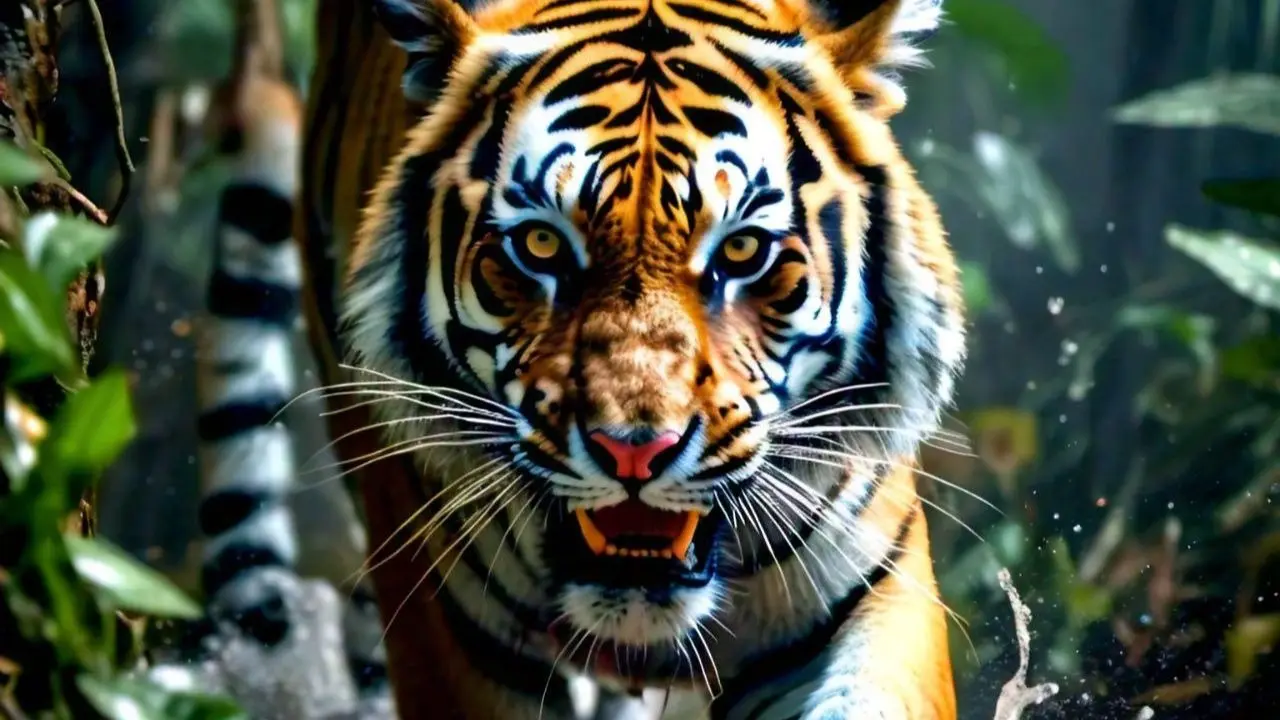
In the age of short-form video, a wild animal doing something unexpected can travel farther in hours than a conservation campaign does in years. A bear opening a car door, a dolphin jumping through a hoop, a rescued fox hugging its rescuer, or a snake striking at a camera these moments are engineered for shares. But the same clips that entertain millions are now at the center of a heated debate among biologists, wildlife rehabilitators, platform moderators, and creators. The question is simple but uncomfortable: when wildlife becomes content, where is the line between education and exploitation?
The phrase “viral wildlife tricks” often describes two different things. It can mean animals performing behaviors that look like tricks, such as opening latches, mimicking human gestures, or appearing to smile. It can also mean the tricks creators use to make wildlife look more dramatic, friendly, or heroic than reality allows. Both forms attract enormous audiences. Both can also distort public understanding of wild animals, encourage dangerous interactions, and reward content that places animal welfare last. Understanding why these videos spread and what they cost is essential for anyone who watches, shares, or creates wildlife media.
The Attention Economy of Nature
Wildlife content performs well because it triggers strong emotions quickly. Curiosity, awe, fear, tenderness, and surprise are powerful drivers of engagement. A clip of an elephant calf splashing in mud can be charming and harmless. A clip of a lion inches from a safari vehicle can feel thrilling. A clip of a man pulling a “drowning” puppy from a river can feel heroic. Algorithms do not distinguish between authentic wonder and manufactured drama. They measure watch time, shares, comments, and repeats. That means the most emotionally efficient wildlife videos—not necessarily the most accurate or ethical tend to rise.
This creates a feedback loop. Creators see that staged rescues, close encounters, and animal “reactions” generate views. Brands and tourism operators see the traffic and want similar exposure. Viewers begin to expect wildlife to behave like characters in a story. Soon, the pressure to produce more extreme content grows. A simple observation of a bird becomes a close-up feeding scene. A distant whale sighting becomes a boat chase. A rehabilitation story becomes a dramatic rescue with added sound effects and misleading captions. The animals cannot consent, and the audience rarely sees the stress, baiting, or editing behind the final clip.
Why the Debate Became Viral
The debate intensified for several reasons. First, smartphones and drones made it easier than ever to film wildlife. Second, social platforms made distribution instant and global. Third, monetization programs turned attention into income. Fourth, AI tools made it possible to fabricate or alter animal behavior convincingly. Fifth, conservation groups began exposing the harm caused by viral trends, from tourists harassing nests to influencers handling protected species. Each factor alone might be manageable. Together, they created a perfect storm.
The result is a public argument that is not simply about one video or one creator. It is about the ethics of attention. Should platforms label staged wildlife content? Should tourism companies be penalized for baiting predators? Should creators be required to show permits when handling wild animals? Should viewers assume that every cute animal video is authentic? These questions now sit at the intersection of digital culture, animal welfare, law, and conservation science.
Common Viral Wildlife Tricks and Red Flags
Many viral wildlife clips follow recognizable patterns. Not every video in these categories is abusive, but the patterns are worth recognizing because they often signal that something has been manipulated.
A. Staged rescue narratives. A creator finds an animal in danger, films the rescue, and posts a dramatic edit. Sometimes the rescue is real. Other times, the animal was placed in danger, repeatedly repositioned, or taken from its mother. The emotional payoff hides the setup.
B. Baiting and feeding. Predators, birds, and primates are lured with food to create close-up shots. This can change natural behavior, encourage dependency, and put animals near roads, boats, or people. A single viral feeding clip can inspire thousands of imitators.
C. Excessive handling of wild babies. Baby animals attract intense engagement. Creators may pass them around, pose with them, or keep them in unnatural settings. Even with good intentions, handling can cause stress, imprinting, and missed maternal care.
D. Artificial proximity. Videos that show people touching, swimming with, or standing beside wild animals often rely on locations where animals are habituated to humans. The calm behavior is not proof of friendship; it may be proof of repeated disturbance.
E. Misleading captions. A clip may claim an animal is “thanking” a rescuer, “crying,” “dancing,” or “protecting” a human. These labels project human emotions onto animals and obscure what is actually happening. An animal may be panting, displaying aggression, or performing a stress response.
F. AI-generated or heavily edited clips. Synthetic media can create impossible scenes: a penguin riding a skateboard, a tiger hugging a tourist, or a whale swimming through a city street. These videos spread quickly because they are surreal and shareable. When viewers cannot tell real from fake, trust in genuine conservation footage erodes.
The Conservation Cost
The debate is not only about individual animal suffering. It is about conservation outcomes. Wildlife conservation depends on public support, accurate information, and political will. Viral tricks can undermine all three. When people believe wild animals are abundant, friendly, or endlessly resilient, they may underestimate extinction risks. When they see close contact as normal, they may seek it out. When they support tourism operators that bait or handle animals, they may unintentionally fund harmful practices.
There is also a deeper problem: the displacement of real conservation stories. A long, nuanced story about habitat loss, anti-poaching patrols, or community-led forest protection rarely gets the same reach as a thirty-second clip of a monkey wearing clothes. This does not mean every viral video must be serious. It means the attention economy currently rewards spectacle over stewardship. Conservationists are forced to compete on terms that often reward simplification, emotional manipulation, and speed.
Animal Welfare Concerns
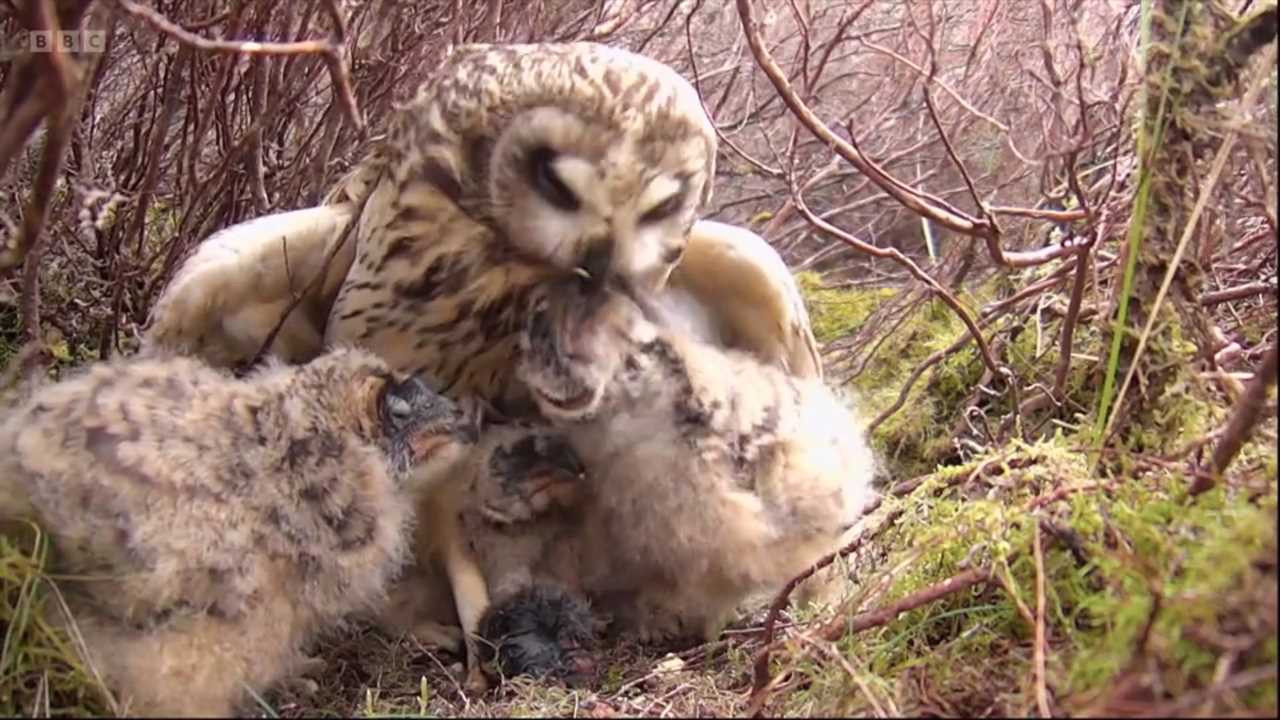
Animal welfare experts raise several specific concerns. Stress is often invisible on camera. A nocturnal animal filmed in bright light may be terrified. A primate surrounded by tourists may be overwhelmed. A predator baited for a shot may burn energy it needs for hunting. A marine animal chased by boats may alter its diving or feeding patterns. Even if the animal does not appear to suffer in the moment, repeated exposure can have cumulative effects.
Handling is another major issue. In many countries, it is illegal to disturb, capture, or possess protected wildlife without permits. Yet viral videos often show people holding owls, snakes, turtles, or baby mammals. Some creators claim they are rescuing the animal, but rescue requires training, permits, and a plan for release or lifetime care. Without those elements, “rescue” can become another form of capture. Viewers may not see the animal die later, the failed release, or the stress of confinement.
Legal and Platform Gaps
Laws vary widely. Some countries have strong wildlife protection statutes and enforce them. Others have limited resources or ambiguous rules for digital content. Even where laws exist, proving harm can be difficult. A video may show a person holding a protected species, but investigators must identify the species, location, date, and ownership. By the time a case is built, the algorithm has moved on.
Platform policies also struggle to keep pace. Most social media companies prohibit animal abuse, but enforcement focuses on graphic violence. Subtler harms baiting, handling, habituation, and misinformation are harder to detect. Automated systems cannot easily tell whether a snake is venomous, whether a rescue is staged, or whether a baby animal was removed from the wild. Human moderators may lack wildlife expertise. Reporting tools are often buried. Creators who repeatedly post questionable content may face little consequence until public pressure becomes intense.
The Role of Ecotourism and Local Communities
Tourism is not the enemy of conservation. In many places, responsible wildlife tourism funds protected areas, employs local guides, and gives communities a reason to protect habitats. The problem arises when tourism is designed around viral moments rather than ecological integrity. A boat that chases dolphins for a better photo, a lodge that feeds bears to guarantee sightings, or a guide who handles a sloth for a tourist selfie may generate short-term income while damaging the resource that attracts visitors.
Local communities are often caught in the middle. They may depend on tourism revenue and face pressure from operators or influencers who promise visibility. Solutions must be practical, not just punitive. Training guides, certifying ethical operators, creating community-owned tourism enterprises, and rewarding low-impact experiences can help align economic incentives with conservation. Visitors also have power. They can choose operators that keep distance, avoid baiting, and explain animal behavior without staging it.
What Responsible Wildlife Creators Do
Responsible creators do not have to be boring. They can still make compelling content. The difference is that they prioritize the animal’s needs over the shot. They use telephoto lenses instead of approaching. They film from a respectful distance. They avoid handling unless licensed and necessary. They disclose when footage is edited, captioned, or sourced from a rehabilitation facility. They explain natural behavior instead of projecting human stories onto it. They credit researchers, local guides, and conservation groups.
They also think about long-term consequences. A single video showing a person petting a wild animal can inspire thousands of viewers to try the same thing. A responsible creator asks: if this clip goes viral, what behavior will it normalize? Will it make people more likely to respect wildlife, or more likely to chase, touch, feed, or buy one? That question should guide every upload.
How Audiences Can Tell Fact From Fiction
Viewers are not powerless. They can slow down before sharing and ask a few critical questions.
A. Look for cuts and context. Does the clip start after the animal was already handled or moved? Is there a before-and-after that explains the setting?
B. Check the source. Is the account a registered nonprofit, a licensed rehabilitator, a professional photographer, or an anonymous reposter? Reposted content often strips away crucial context.
C. Ask what the animal gains. If the interaction only benefits the human, it is probably not ethical. Wild animals do not need hugs, costumes, or performances.
D. Notice human contact. Handling, feeding, and close proximity are red flags unless clearly explained by a qualified expert with permits.
E. Search for expert commentary. Biologists, veterinarians, and conservation groups often debunk viral clips. Their corrections may not be as entertaining, but they are more reliable.
F. Be cautious with AI. Look for unnatural movement, impossible species combinations, blurred edges, and inconsistent shadows. If a video seems too perfect, it may be synthetic.
The Future of Wildlife Content

The debate over viral wildlife tricks is ultimately a debate about responsibility. Platforms have a role in labeling, moderating, and demonetizing harmful content. Governments have a role in enforcing wildlife laws and supporting conservation. Creators have a role in refusing to stage, bait, or manipulate animals for views. Audiences have a role in rewarding accuracy, ethics, and restraint. None of these groups can solve the problem alone.
There is reason for optimism. Some creators now build large audiences by explaining animal behavior, exposing fake rescues, and promoting ethical tourism. Conservation organizations are learning to tell compelling stories without exploitation. Platforms are experimenting with labels for synthetic media and wildlife warnings. Travelers are asking harder questions about the experiences they book. These changes are slow, but they show that the attention economy can be redirected.
The next time a wildlife video appears in a feed, the most important question is not “Is this cute?” or “Is this amazing?” It is “What is really happening here?” If the answer involves stress, staging, or suffering, the clip is not a harmless trick. It is a choice and every share is a vote for the kind of wildlife content the world will get more of.