
Viral nature photography rarely happens by accident. A breathtaking landscape, a once-in-a-lifetime wildlife encounter, or a tiny insect covered in morning dew can explode across social media, but the image itself is only part of the story. Behind every viral shot is a mix of composition, timing, technical skill, emotional storytelling, platform strategy, and search-friendly publishing. Photographers who understand this combination can turn a single image into traffic, followers, brand deals, and long-term Google AdSense revenue.
This article explores practical nature photography tricks that help images go viral. It covers camera settings, field techniques, editing choices, captions, SEO, monetization, and ethical responsibilities. Whether you shoot with a professional mirrorless camera or a high-end smartphone, these principles can help your nature photos travel farther online.
Why Viral Nature Photography Matters
Nature photography has universal appeal. People are drawn to mountains, oceans, forests, animals, storms, sunrises, and hidden waterfalls because these subjects evoke wonder, calm, adventure, and hope. In a crowded digital feed, a powerful nature image can stop the scroll within milliseconds. That instant attention can lead to likes, shares, saves, comments, and clicks.
For photographers, virality is not just vanity. It can lead to:
A. Higher website traffic from social media and search engines.
B. More email subscribers and print sales.
C. Better brand collaborations with travel and outdoor companies.
D. Increased AdSense income from long-form blog posts around the images.
E. A stronger portfolio that attracts clients and galleries.
The key is to treat viral nature photography as a system, not a lucky moment. The system includes the shot, the edit, the caption, the platform, the timing, and the SEO.
The Core Ingredients of a Viral Nature Photo
Not every beautiful photo goes viral. Viral images usually contain at least one powerful trigger. These triggers can be emotional, visual, or contextual.
A. Emotional contrast: A peaceful scene interrupted by dramatic weather.
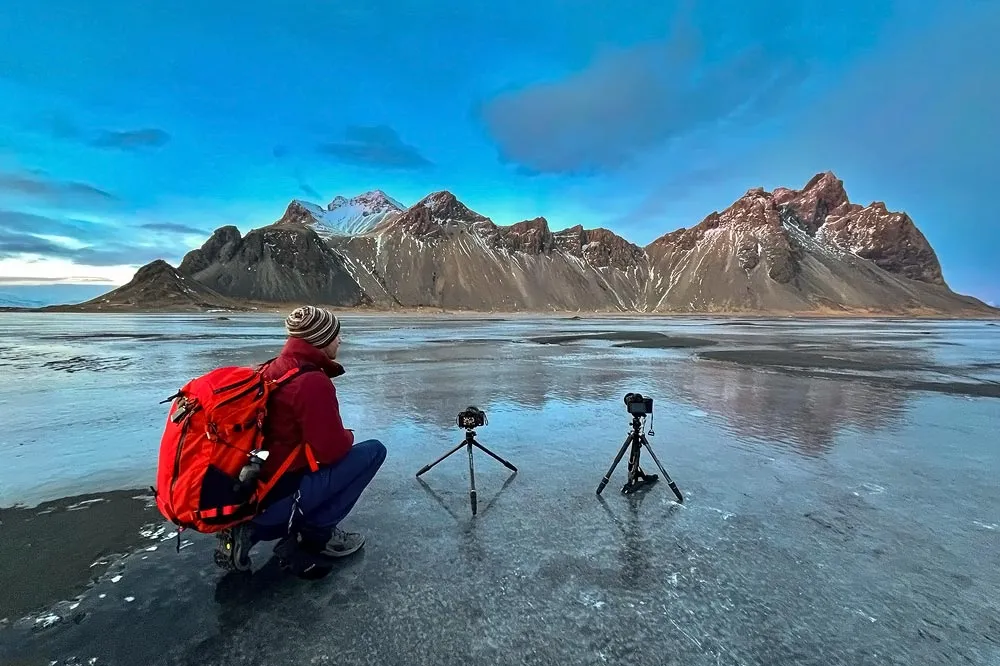
B. Scale: A tiny human figure against a massive mountain or waterfall.
C. Rare behavior: An animal hunting, caring for its young, or interacting with another species.
D. Perfect timing: Lightning, a wave splash, a bird taking off, or fog rolling through trees.
E. Unexpected color: A neon sunset, bioluminescent waves, or autumn leaves against snow.
F. Mystery: A hidden path, a silhouette, or an animal barely visible in the shadows.
G. Relatability: A scene that reminds viewers of a childhood memory or dream trip.
When several triggers appear in one frame, the image has a higher chance of being shared. However, triggers must feel natural. Forced drama often looks artificial and reduces trust.
Composition Tricks That Stop the Scroll
Composition is the silent language of photography. It guides the viewer’s eye and creates balance, tension, or harmony. Viral nature photos often use simple but effective composition techniques.
A. Leading lines: Rivers, trails, fences, and shorelines pull the eye into the frame.
B. Rule of thirds: Place the main subject off-center to create dynamic energy.
C. Framing: Use trees, arches, or rocks to surround the subject and add depth.
D. Negative space: Empty sky or calm water can make a subject feel powerful and lonely.
E. Foreground interest: Flowers, rocks, or leaves add layers and make the scene immersive.
F. Symmetry: Reflections in lakes or geometric rock formations create satisfying balance.
G. Diagonal lines: Slopes, lightning, and bird wings add movement.
H. Color contrast: Complementary colors such as orange and blue attract attention quickly.
I. Minimalism: A single subject against a clean background often performs better on mobile screens.
J. Human element: A small person can give scale and invite the viewer into the scene.
A common mistake is trying to include too much. Viral images are often readable on a small phone screen. If the viewer cannot understand the subject in one second, the photo may not stop the scroll.
Light and Weather: The Real Viral Accelerators
Light transforms ordinary scenes into extraordinary ones. Many viral nature photos are captured during the golden hour, blue hour, or extreme weather. These conditions create mood and rarity.
A. Golden hour: The first and last hour of sunlight produces warm, soft, and flattering light.
B. Blue hour: Just before sunrise or after sunset, cool tones create calm and mystery.
C. Storm light: Dark clouds with a break of sunlight can produce dramatic contrast.
D. Fog and mist: These soften backgrounds and create depth and mystery.
E. Backlight: Shooting into the sun can create glowing edges, lens flare, and silhouettes.
F. Rain and snow: Bad weather often produces unique reflections and textures.
G. Moonlight: Long exposures under the moon can reveal landscapes in a surreal way.
H. Fire and smoke: Wildfire haze can create orange skies, but safety and ethics matter.
I. Tides and waves: Moving water adds energy and can freeze or blur beautifully.
Weather apps, tide charts, and sun-tracking tools help photographers plan. Viral shots often come from preparation, not coincidence. Check cloud cover, wind speed, humidity, and sunrise direction before leaving home.
Camera Settings for Scroll-Stopping Nature Images
Technical settings depend on the subject and light, but some starting points help. Always test and adjust in the field.
A. Aperture priority: Use f/8 to f/16 for deep landscapes and f/2.8 to f/5.6 for wildlife isolation.
B. Shutter speed: Use 1/1000s or faster for birds in flight and 1/4s to 30s for flowing water.
C. ISO: Keep ISO as low as possible, but do not be afraid to raise it for sharp action.
D. Focus mode: Use continuous autofocus for wildlife and manual focus for night skies.
E. Metering: Evaluate highlights carefully to avoid blown-out skies.
F. Exposure compensation: Darken bright scenes or brighten shadowed subjects.
G. Burst mode: Capture several frames per second during action.
H. Tripod: Essential for long exposures, macro, and low-light landscapes.
I. Remote shutter: Reduce vibration and capture skittish wildlife from a distance.
J. Filters: Polarizers reduce glare, and neutral density filters allow long exposures.
A viral photo must be technically clean. Blurry subjects, noisy shadows, and distracting highlights reduce shareability. However, technical perfection alone is not enough. The image must also tell a story.
Wildlife Ethics and Viral Responsibility
Viral wildlife photography comes with responsibility. Chasing likes can harm animals and habitats. Ethical photographers prioritize the subject’s safety and natural behavior.
A. Keep distance: Use telephoto lenses instead of approaching animals.
B. Never bait: Do not feed or lure wildlife for a photo.
C. Avoid nests: Do not disturb breeding sites or young animals.
D. Follow local rules: Respect protected areas and permits.
E. Leave no trace: Take all trash and avoid trampling plants.
F. Do not use drones near animals: They can cause stress and panic.
G. Caption honestly: Do not claim a captive animal is wild.
H. Avoid geotagging sensitive locations: Share general regions, not exact nests.
I. Support conservation: Use your platform to educate and donate.
J. Put the subject first: No photo is worth an animal’s life or health.
Audiences increasingly value ethics. A viral photo that exposes harmful behavior can damage a photographer’s reputation permanently. Ethical images build long-term trust.
Editing Tricks That Keep Nature Real
Editing should enhance, not fabricate. Viral nature photos often look vibrant but believable. The goal is to guide the viewer’s eye and recreate the mood of the moment.
A. Start with lens corrections: Remove distortion and vignetting.
B. Adjust exposure: Recover highlights and lift shadows carefully.
C. Set white balance: Warm or cool tones change emotion.
D. Use curves: Add contrast and depth without clipping.
E. Control saturation: Boost specific colors rather than global saturation.
F. Use luminosity masks: Edit sky, land, and water separately.
G. Remove distractions: Clone out trash or minor sensor dust, but avoid altering reality.
H. Sharpen selectively: Sharpen the subject, not the whole frame.
I. Reduce noise: Use noise reduction for high-ISO wildlife shots.
J. Add subtle vignette: Draw attention to the center.
Over-editing is a common reason photos fail. HDR halos, unnatural colors, and fake skies may get attention, but they often attract criticism. A natural edit with a strong composition performs better in the long run.
Storytelling Captions That Travel
A viral image needs a caption that invites engagement. The caption can provide context, emotion, or a question. It should be short enough for social media but rich enough for SEO.
A. Start with a hook: “I waited six hours for this one second.”
B. Share the challenge: “The trail was flooded, but the view was worth it.”
C. Add a lesson: “Use a polarizer to cut glare on wet rocks.”
D. Ask a question: “Would you camp here for a night?”
E. Include location details: Name the park, mountain, or region if safe.
F. Use keywords naturally: “nature photography,” “landscape,” “wildlife.”
G. Add a call to action: “Save this for your next hike.”
H. Tell a short story: Beginning, conflict, and resolution.
I. Mention camera settings: Many photographers love technical details.
J. Tag responsibly: Avoid exact locations for fragile areas.
Captions can turn a pretty photo into a shareable story. They also help Google understand your content when you publish the image on a blog.
SEO for Nature Photographers
SEO is not only for bloggers. Photographers who publish images online can attract search traffic by optimizing titles, alt text, descriptions, and surrounding content.
A. Use descriptive file names: “sunrise-over-mount-batur.jpg” instead of “IMG_2045.jpg.”
B. Write keyword-rich alt text: Describe the subject and context.
C. Create long-form blog posts: Explain the story behind the photo.
D. Use headings: H1, H2, and H3 help search engines understand structure.
E. Add schema markup: ImageObject and Article schema can improve visibility.
F. Compress images: Fast-loading pages rank better and reduce bounce.
G. Use responsive images: Mobile users are the majority.
H. Internal links: Connect related photo stories.
I. External links: Cite conservation organizations or location guides.
J. Update old posts: Add new images and fresh keywords.
AdSense-friendly articles often combine high-quality images with substantial text. A photo gallery alone may not generate much ad revenue. A 2,000-word guide with practical tips, stories, and SEO can attract consistent traffic.
Platform-Specific Tricks for Viral Reach

Different platforms reward different content. A photo that goes viral on Pinterest may flop on TikTok. Adapt your approach.
A. Instagram: Use carousels, Reels, and stories. Post at peak times and reply to comments.
B. TikTok: Share behind-the-scenes clips, editing timelapses, and surprising reveals.
C. Pinterest: Create tall pins with text overlays and link to your blog.
D. YouTube: Publish photo essays, gear reviews, and location guides.
E. Facebook: Join niche groups and share stories, not just links.
F. X: Post striking images with short, curiosity-driven captions.
G. Reddit: Follow subreddit rules and contribute value before promoting.
H. Flickr: Engage with communities and license images carefully.
I. 500px: Showcase portfolio-quality work and connect with other photographers.
J. Google Business Profile: If you offer local services, post updates and photos.
Cross-promotion helps. A single viral moment on one platform can drive traffic to your website, where AdSense and affiliate income grow.
Build a Viral Series, Not Just a Single Shot
One viral photo is exciting. A viral series is sustainable. Series create anticipation and encourage followers to return.
A. “One location, four seasons”: Show the same landscape in different conditions.
B. “Behind the shot”: Explain how you captured a difficult image.
C. “Tiny worlds”: Macro photography of insects, fungi, and dew.
D. “Before and after editing”: Show raw versus final.
E. “Wildlife behavior”: Document animal routines ethically.
F. “Weather chase”: Follow storms, fog, and snow.
G. “Hidden trails”: Share safe and responsible hiking adventures.
H. “Camera settings explained”: Teach viewers with each post.
I. “Conservation stories”: Highlight protected species and habitats.
J. “30-day nature challenge”: Encourage followers to shoot daily.
Series make your content recognizable. They also create more opportunities for SEO keywords and AdSense impressions.
Monetization Beyond Virality
Viral traffic can be monetized in several ways. The key is to diversify.
A. Google AdSense: Place ads on long-form photo stories and guides.
B. Affiliate marketing: Recommend cameras, lenses, tripods, and editing software.
C. Print sales: Sell limited-edition prints and calendars.
D. Stock photography: License images through agencies.
E. Sponsorships: Partner with outdoor and travel brands.
F. Workshops: Teach local or online nature photography classes.
G. Presets and courses: Sell editing tools and educational content.
H. Membership sites: Offer behind-the-scenes content and critiques.
I. Licensing: Allow businesses to use your images legally.
J. Donations: Support conservation projects through your audience.
AdSense works best when your website has valuable text, clear navigation, and consistent traffic. Viral social posts can feed that website, but SEO keeps it alive.
Common Mistakes That Kill Viral Potential
Many photographers make avoidable mistakes. Fixing them can improve reach and reputation.
A. Posting without a story: Viewers need context.
B. Overusing hashtags: Relevance beats quantity.
C. Ignoring mobile composition: Most viewers use phones.
D. Uploading low-resolution images: Sharpness matters.
E. Stealing or copying work: Always credit and respect copyright.
F. Baiting wildlife: This is unethical and dangerous.
G. Clickbait captions: They damage trust.
H. Neglecting engagement: Reply to comments and messages.
I. Posting inconsistently: Algorithms reward regular activity.
J. Giving up too soon: Virality often comes after many attempts.
A 30-Day Practice Plan for Viral Nature Photography
Use this plan to improve your skills and increase your chances of going viral.
A. Day 1–3: Study 20 viral nature photos and note common patterns.
B. Day 4–6: Practice composition with leading lines, framing, and negative space.
C. Day 7–9: Shoot during golden hour and blue hour.
D. Day 10–12: Learn manual exposure and histogram reading.
E. Day 13–15: Try macro photography in your garden or local park.
F. Day 16–18: Practice wildlife ethics from a safe distance.
G. Day 19–21: Edit one image with a natural, non-HDR workflow.
H. Day 22–24: Write a 1,000-word blog post about your best shot.
I. Day 25–27: Create a short behind-the-scenes video for TikTok or Reels.
J. Day 28–30: Analyze engagement, refine your style, and plan the next series.
Conclusion
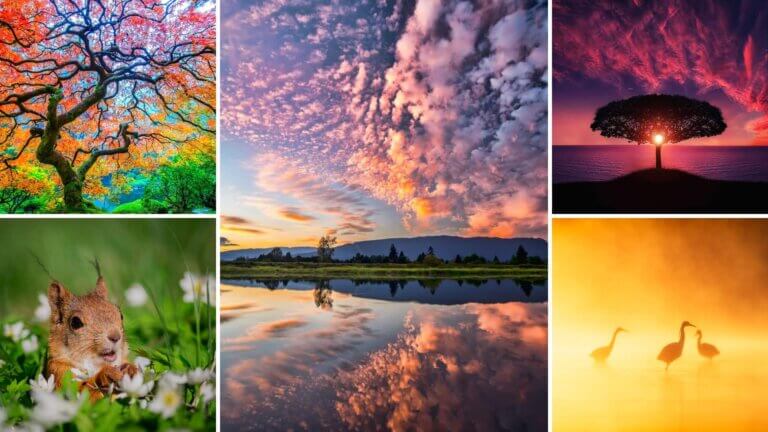
Viral nature photography is a blend of art, ethics, technique, storytelling, and strategy. The most shareable images often come from preparation, patience, and a deep respect for the natural world. By mastering composition, light, camera settings, editing, captions, SEO, and platform-specific tricks, photographers can increase their reach without compromising their values.
A viral photo can open doors, but long-term success comes from consistency. Build a series, publish useful content, optimize for search, and monetize with AdSense and other income streams. Most importantly, keep the wild world first. When your work protects nature and moves people, virality becomes more than a number. It becomes a positive force.